

Add Row
Add Element
cropper
update
HealthWorks Nevada
update
Add Element
  • Home
  • Categories
    • Quick & Healthy Recipes
    • Mind & Mood Boosters
    • Longevity & Vitality
    • Everyday Health Hacks
    • Healthy Home & Environment
    • Alternative Wellness
    • Chiropractic & Body Alignment
    • Movement & Fitness
March 23.2025
3 Minutes Read

Tight Hamstrings? Discover Effective Stretches and Tips for Flexibility

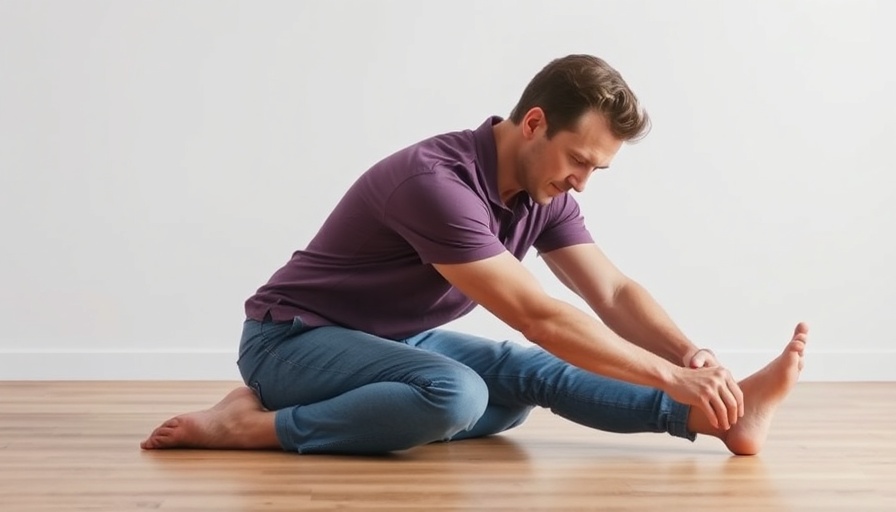
Man doing hamstring flexibility stretches on a wooden floor.

Understanding the Importance of Hamstring Flexibility

In today’s fast-paced world, maintaining our physical health can sometimes take a backseat, but tight hamstrings are a common issue that many adults face, especially those balancing busy schedules. Flexible hamstrings are crucial for overall mobility, helping to improve posture, reduce back pain, and enhance athletic performance. Unfortunately, a sedentary lifestyle can lead to muscle tightness, making it essential to incorporate stretching into your routine.

Effective Stretches for Hamstring Flexibility

Integrating targeted stretches into your daily routine can significantly benefit your hamstring flexibility. Here are some effective stretches to try:

  • Standing Hamstring Stretch: Stand upright, place one foot on an elevated surface, and gently lean forward. Hold for 20-30 seconds without bouncing.
  • Lying Hamstring Stretch: Lie on your back, raise one leg to a 90-degree angle, and grab behind the thigh to gently pull it toward you. This stretch can be deepened by using a strap or towel.
  • Seated Forward Bend: Sit with legs extended. Inhale and reach your arms overhead, exhale as you lean forward, aiming to grasp your feet. Hold this position to feel a deep stretch.

Incorporating these stretches into your routine just a few times a week can lead to noticeable improvements in flexibility.

6 Tips to Enhance Hamstring Flexibility

Aside from dedicating time to stretching, consider these tips to enhance your hamstring flexibility:

  • Stay Hydrated: Dehydrated muscles can become tight and uncomfortable, so drink plenty of water throughout the day.
  • Warm-Up Before Exercise: Always perform a warm-up to increase blood flow to your muscles, which can help prevent injuries during stretching.
  • Avoid Prolonged Sitting: Break up long periods of sitting with short walks or standing stretches to keep your hamstrings active.
  • Consistent Stretching: Commit to a regular stretching routine. Aim for 10-15 minutes, incorporating different stretches.
  • Consider Yoga or Pilates: Both practices offer a variety of stretches that can enhance flexibility not only in your hamstrings but in your entire body.
  • Listen to Your Body: If you experience pain during stretches, ease up. Flexibility takes time, and pushing too hard can lead to injury.

Future Insights for Better Mobility

As awareness grows around the importance of mobility and flexibility, more adults are seeking out fitness resources that fit into their lifestyles. Courses and classes focusing on flexibility, like yoga or specialized stretching workshops, are becoming increasingly popular. This trend highlights the shift toward preventive health measures, making flexibility an integral part of fitness regimens.

Why This Information Matters

By paying attention to hamstring flexibility, adults can not only improve their physical fitness but also enhance their overall quality of life. Tight hamstrings can lead to discomfort, affect activities of daily living, and even hinder your participation in hobbies or sports. Understanding how to effectively stretch and maintain hip mobility can empower individuals to live more active, fulfilling lives.

Practical Tips for Everyday Life

Trying to fit flexibility training into a hectic schedule can feel daunting, but small changes can lead to big results. Consider integrating stretches into your morning routine or during breaks at work. Gradually, these intervals can lead to enhanced mobility and reduced discomfort. Furthermore, celebrating your progress—no matter how small—can serve as motivation to continue prioritizing your health.

Taking the time to improve your hamstring flexibility can be one of the best investments in your well-being. Whether you’re a fitness enthusiast or a busy adult looking to incorporate healthier habits into your life, remember that flexibility plays a vital role in functional movement, preventing injury, and promoting longevity. So, let’s get started on your path to a more flexible, mobile you!

Movement & Fitness

Write A Comment

*
*
Related Posts All Posts
11.11.2025

Unlock Strength and Resilience with the Horse Stance Exercise

Update Discover the Horse Stance: Your Path to Stronger Legs and Resilience The Horse Stance, a powerful static exercise with roots in martial arts, invites you to challenge your strength and mental resilience. By simply standing with your feet wider than shoulder-width and lowering your body until your thighs are almost parallel to the ground, you engage a variety of muscle groups, including the quadriceps, glutes, and hips. This position isn't just about physical strength; it’s also a test of willpower, as you'll quickly feel the burn and face the inner dialogue questioning your dedication to the practice. The Mechanics of Horse Stance: Form and Precision Matter To perform the Horse Stance effectively, it’s crucial to maintain correct posture. Imagine a straight line from your head to your hips, with your knees pushed outward, ensuring they stay aligned with your toes. This not only enhances stability but also prevents injury. Start with a slight bend and gradually work your way down deeper into the squat, focusing on pushing your knees outward. If you struggle to get your thighs parallel to the ground, don't worry; building the strength requires patience and practice. Why is Horse Stance Beneficial? This isometric exercise provides incredible benefits that extend beyond mere leg strength. The Horse Stance enhances mobility, particularly in the hips and thighs, allowing for greater flexibility and range of motion. Regular practice can improve your overall balance and posture, essential skills if you have a sedentary lifestyle or are recovering from an injury. As you gain proficiency, you’ll find your mental discipline increases, promoting an unwavering focus as you hold the stance longer and deeper. Building Your Horse Stance Practice: Progression Tips When beginning your Horse Stance journey, start small. Hold the position for just five seconds at first, then gradually increase your time as you build strength and confidence. Techniques such as supporting yourself with your hands or using a wall can help you sink deeper into the stance while maintaining proper form. Additionally, consider adopting various foot placements—turning your toes slightly outward or keeping them forward can provide different levels of intensity. This adaptability ensures you are always challenged, keeping your workouts fresh and engaging. The Mental Health Benefits of the Horse Stance Interestingly, beyond physical attributes, the Horse Stance can also enhance your mental state. The challenge of holding the position invokes a sense of discipline, helping you develop resilience not only in fitness but in life’s challenges. You learn to overcome discomfort and push through physical and mental barriers, which can translate to greater self-confidence and a more resilient mindset. Practicing mindfulness during your stances can further enhance emotional regulation, helping you cultivate a sense of calm amidst daily chaos. Addressing Common Challenges in Horse Stance Just like any physical practice, there are potential hurdles. If you experience pain in your knees or back, or struggle with maintaining form, consider taking a step back. Explore options like a higher squat position or focusing on alignment adjustments. Personalize your Horse Stance to better fit your body, allowing you to strengthen and support where needed. Remember, fitness is a journey—adjustments make the practice safe and beneficial. Conclusion: Embrace the Journey to Strength and Flexibility The Horse Stance is more than just an exercise; it’s a holistic approach to building strength, improving flexibility, and enhancing mental resilience. As you integrate this practice into your routine, remember to be patient with yourself—progress comes with time and dedication. Whether you're just starting out or looking to enhance your existing practice, the Horse Stance offers unique rewards every step of the way. Try integrating the Horse Stance into your daily routine. Even short holds throughout the day can yield remarkable improvements in your strength and flexibility. Are you ready to strengthen your legs while enhancing your willpower? Give the Horse Stance a try, and share your experience with others looking to embrace this powerful exercise!

11.08.2025

How Mindfulness Practices Can Help You Embrace Today's Body

Update Embracing Today’s Body: A Shift in Mindset In a world where body image often shapes identity, embracing the idea of "today's body" rather than the permanent "my body" can allow for a more compassionate self-view. As Michael Donovan points out, focusing on how we feel about our bodies can reveal that the link between physical and mental health is undeniable. One insightful yoga instructor emphasized that we all possess a different body each day, confronting daily challenges that fluctuate in appearance, performance, and acceptance. The Psychological Impact of a Negative Body Image Today, societal pressures and pandemic-induced challenges have exacerbated feelings of dissatisfaction. Studies show an increase in eating disorders and sedentary behavior during recent years. Diana Winston, a leading voice in mindfulness education, highlights how essential it is to challenge the stigma around body size and idealization of thinness and muscularity. It’s crucial to appreciate our bodies for what they can do rather than succumbing to societal expectations of how they should look. Mindfulness Techniques to Enhance Body Acceptance Mindfulness and body acceptance intersect in powerful ways. By practicing mindfulness, individuals can learn to observe their thoughts about their bodies without judgment. As Jessamyn Stanley, an advocate for body positivity, states, understanding how we feel in our bodies rather than critiquing their appearance helps prevent negative self-talk. Integrating simple mindfulness exercises, such as body scans and loving-kindness meditation, can foster a deeper acceptance, as these practices encourage reflection on physical sensations instead of superficial assessments. Building Compassion Through Self-Practice Self-compassion plays a pivotal role in body acceptance. Techniques proposed by experts include acknowledging negative body thoughts and consciously replacing them with affirmations or positive memories. Mindful movements like yoga also serve to connect the mind and body in an accepting manner, providing a space to honor our bodies as they evolve. Furthermore, Winston’s pilot study underscores that cultivating self-compassion and loving-kindness can profoundly affect how we view our bodies and, in turn, how we engage with the world. Practical Insights to Create Lasting Change Implementing mindfulness in daily practices can significantly impact physical and emotional well-being. Simple actions like daily reflection on body sensations or engaging in activities that focus on enjoyment rather than performance can help foster a healthier relationship with our bodies. Moreover, understanding that each day comes with its unique body experience empowers individuals to appreciate their physical form without the pressure of comparison and judgment. Encouraging a Supportive Mindset in Communities Encouraging dialogue around body positivity and acceptance can foster a collective shift toward more compassionate self-views. Sharing resources, joining support groups, or engaging in community wellness activities can inspire individuals to embrace their bodies as part of a shared human experience. Connecting with other people who practice mindfulness and self-acceptance can amplify this change within communities, reinforcing that everyone deserves kindness and respect for their bodies. Overall, returning to the basics of mindfulness allows individuals to reconnect with their bodies in a nurturing way, setting the groundwork for long-term acceptance and health. We invite you to explore these techniques and embrace your unique journey toward a better relationship with your body. Understanding your experience today can guide you on the path to self-acceptance tomorrow.

11.08.2025

Stay Badass for Life: Strategies for Fitness at Any Age

Update Unlocking Your Potential: Aging Vibrantly at Any Age Have you ever wondered if your physically active lifestyle will stay with you as you age? It's a question many of us ponder, especially those who thrive on challenging physical activities. Whether you’re balancing work obligations with fitness or navigating the busyness of life while striving for energy and vitality, the truth is that aging doesn’t have to mean a decline in physical capability. Three Major Challenges of Aging As we age, our bodies naturally undergo changes that can affect our strength, flexibility, and overall fitness levels. Let's explore the three biggest challenges: Loss of Strength: A common misconception is that strength loss is inevitable with age. While it’s true that many experience this decline, the degree often correlates with one's previous exercise habits. Lifelong exercisers generally maintain strength significantly better than their sedentary peers. As noted in a study, non-exercisers may experience dramatic strength reductions, increasing their frailty risk. Decrease in Flexibility: After about age 55, many individuals experience loss of flexibility, which can significantly limit mobility and overall quality of life. Consistent flexibility training—think yoga and regular stretching routines—can mitigate this deterioration. Decreased Balance: Aging can affect balance, resulting in a heightened risk of falls. Practices like tai chi not only promote balance but also strengthen muscles that support coordination. Strategies for Sustaining Fitness Engaging in a proactive fitness strategy can counteract these age-related declines. Here are three effective methods: Strength Training: Incorporating weights into your routine at least twice a week can counteract muscle loss. Research highlights that strength trainers see less decrease in muscle quality and quantity. Flexibility and Balance Training: Activities like yoga, Pilates, or tai chi are excellent for enhancing flexibility and addressing balance challenges. Not only do they improve physical ability, but they also contribute to mental clarity and emotional stability, making them key components of a holistic health regimen. Aerobic Exercise: Regular moderate activity—like brisk walking or swimming—should be a staple in any regimen. Experts recommend aiming for 150 minutes a week, which can drastically reduce risks of disease and boost longevity. Turning Aging into a Strength Aging is not a curse; it’s an opportunity for growth. By understanding the changes your body undergoes and applying intelligent, moderate exercise, you can remain capable and even exceed your prior achievements. Say you once ran marathons in your 20s—through strategic training, you could still cross a finish line at 80 that most couldn’t even dream of attempting. Taking Action to Cultivate Longevity Many older adults express a wish to live healthier and longer lives. As Dr. Thomas Johnson from UCHealth emphasizes, it’s important not just to consider lifespan but 'health span'—the quality of years ahead. Forming habits such as connecting with community, engaging in social activities, and maintaining a nutritious diet all contribute to a fulfilled life as we age. Join the Movement It’s time to shift our perception of aging. Gather with friends for a weekly yoga class or start the day with a brisk walk. Embrace activities that increase your heart rate and bring you joy, whether it's dancing, hiking, or swimming. The journey to a formidable future begins today.

Terms of Service

Privacy Policy

Core Modal Title

Sorry, no results found

You Might Find These Articles Interesting

T
Please Check Your Email
We Will Be Following Up Shortly
*
*
*