


Understanding the Weight of Worry: A Personal Journey
“We are more often frightened than hurt; and we suffer more from imagination than from reality.” This profound insight from the Stoic philosopher Seneca resonates deeply with many who face chronic health issues. My experience began with seemingly insurmountable pain — a persistent ache in my stomach and back that led to numerous hospital visits, tests, and ultimately an autoimmune diagnosis. Yet, amidst the physical challenges, a more insidious enemy emerged: worry.
Detangling Worry: Where Does Your Attention Live?
In the quest for understanding, I realized that my focus on the illness often amplified my suffering. Rather than just engaging with my pain as it was, I found myself lost in a cascade of thoughts: “Why me?” and “What if it gets worse?” These reflections hoisted my attention into the past and future, causing me to neglect the present — a moment which could have been filled with acceptance. My breakthrough came with a simple yet powerful question I adopted: “Where is my attention right now?” This inquiry allowed me to categorize my thoughts, granting clarity over their origin and impact.
The Art of Remaining Present: Why It Matters
The discovery that my suffering was momentary, unlike my chronic condition, redefined my relationship with my illness. There were hours within my day when the constant worry would dissipate, illuminating the fact that though my illness was persistent, my suffering did not have to be. Engaging fully in present moments allows for respite, even when pain is present; whether it’s enjoying a family meal or a quiet moment of mindfulness. Each of these instances highlights the potential release from the burden of worry, making room for gratitude and connection.
The Role of Mindful Practices in Wellness
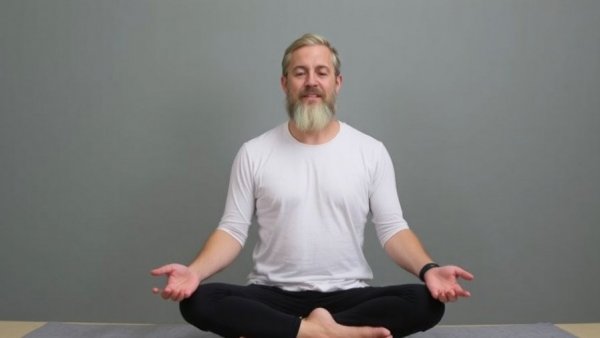
In a fast-paced world, the challenge of staying grounded can feel daunting. Yet, incorporating mindful practices can significantly enhance mental and emotional wellness. Techniques like meditation, deep-breathing exercises, and structures like daily reflections can help anchor one's attention to the here and now, fostering a sense of peace amidst chaos. The beauty of these practices lies in their accessibility; even a few minutes of focused breathing can pivot one’s day toward tranquility.
Finding Joy in the Simple Things
In my exploration, I discovered that happiness doesn't solely hinge on external factors like health updates or life circumstances; it often springs from appreciating the smaller moments. This perspective shift transformed my outlook—what I choose to focus on defines my experience. Whether it’s rejoicing in the laughter of children, the warmth of the sun, or simply the act of sipping a warm cup of tea, these tiny joys create a reservoir of happiness that feeds resilience against more significant stresses.
Empowerment Through Understanding
Reconfiguring how I perceive my illness into a journey of self-discovery has been empowering. As I shared my story with others, I found a community of individuals grappling with similar struggles—revealing that we are never truly alone in our trials. This connection not only provides support but invites shared wisdom, enriching each of our paths toward healing.
Conclusion: The Choice to Shift Perspectives
Our journeys through illness and worry are valid, but they do not have to dictate our daily lives. By consciously shifting your attention, grounding yourself in the present, and welcoming the simple joys of life, you can combat the burdens of worry. As we embrace how we engage with these experiences, we pave the way for more fulfilling lives that honor both our struggles and our triumphs. Consider where your attention lies and take proactive steps to breathe life into the present.



Write A Comment