

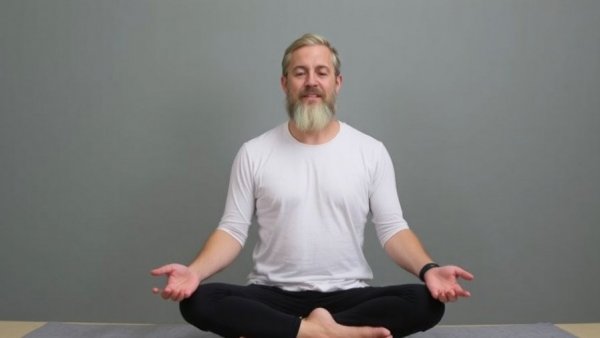
Nourish Your Mind and Body Through Breath Awareness
In a fast-paced world where stress often rules our daily lives, the practice of mindful breathing stands out as a simple yet profound tool for well-being. By learning to harmonize our breath with our thoughts, we can establish a foundation of peace and resilience, particularly when faced with anxiety and challenges. This article explores the art of nourishing breath meditation—a practice that emphasizes awareness and acceptance.
Understanding the Power of Breath
The essence of breath is that it is always present, serving as an anchor in the chaotic waves of everyday life. Unlike many strategies that require elaborate setups or far-off retreats, mindful breathing is accessible to all. It involves being aware of your breathing patterns in a natural, unforced manner, which means letting go of any urges to control or enhance the breath forcefully. Simply notice the rhythm of your inhalation and exhalation.
Benefits of Abdominal Breathing
One effective technique for calming the mind is abdominal or belly breathing. This approach not only enhances relaxation but also helps to restore balance during stressful moments. When anxiety creeps in, our breathing tends to become shallow or erratic; practicing deep belly breathing counters this tendency. To test if you’re engaging in this practice, gently place your hand on your belly. Feel it expand as you breathe in and contract as you breathe out, embracing the grounding sensation it provides.
Turning Challenges Into Opportunities: Self-Acceptance
An integral part of mindful breathing is learning to accept and acknowledge your feelings without judgment. When anxiety arises, instead of running away from it, recognize its presence and breathe through it. Embracing your fear rather than denying it can reveal insights about yourself. This self-compassionate process often leads to deeper healing.
Creating Your Ideal Environment for Meditation
To get the most out of your breath meditation, set up a calming environment devoid of distractions. Whether sitting or lying down, make sure you're comfortable and alert. If you find yourself dozing off in a relaxed position, consider sitting upright. Bringing undivided attention to your practice enhances its effectiveness, allowing you to deepen your breath awareness.
Making Meditation a Daily Practice
Integrating mindful breathing into your daily routine need not be time-consuming. You can practice in short 10-minute sessions, perhaps during breaks at work or even before bed. Pairing this breathing practice with a mindful check-in can heighten its benefits, making it a versatile tool to foster mental clarity and emotional balance.
Resources for Further Exploration
The community of mindfulness continues to grow, offering numerous resources for individuals looking to delve deeper into meditation. Whether you seek guided sessions or written materials, platforms like Tara Brach's teachings or the insights shared in mindfulness-based resources can greatly enrich your journey. It is encouraging to note that feeling isolated during these practices is common, but there are supportive avenues for connection and growth.
Conclusion: A Call to Embrace Mindful Breathing
As we dive deeper into the complexities of our emotional and mental terrain, nourishing breath meditation equips us with essential skills to manage stress and enhance our quality of life. So, carve out a few moments in your day to practice mindful breathing. Allow it to nurture not just your body but also your mind, fostering resilience and a sense of belonging in a bustling world. Remember, every breath is an opportunity for new beginning—embrace it.




Write A Comment