

Add Row
Add Element
cropper
update
HealthWorks Nevada
update
Add Element
  • Home
  • Categories
    • Quick & Healthy Recipes
    • Mind & Mood Boosters
    • Longevity & Vitality
    • Everyday Health Hacks
    • Healthy Home & Environment
    • Alternative Wellness
    • Chiropractic & Body Alignment
    • Movement & Fitness
March 23.2025
3 Minutes Read

Why Squatting Below Parallel Will Revolutionize Your Fitness Routine

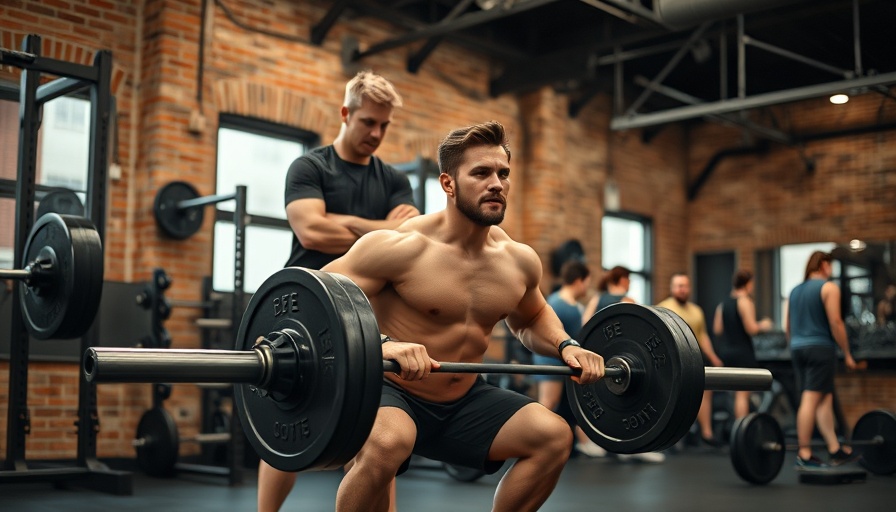
Focused male performing barbell squats in gym with trainer supervision

Unlocking the Benefits of Deep Squats for Daily Fitness

As busy adults, maintaining a fitness routine amid our hectic lives can be challenging. It's easy to overlook essential movements in our strength training, especially when it comes to squat depth. A growing body of research supports the benefits of squatting below parallel—often referred to as deep squats—showing they can significantly enhance our physical performance and knee health.

Why the Depth Matters

Squatting deeply involves bending the knees beyond the 90-degree angle, allowing your muscles to engage more dynamically. This increased range of motion enhances activation of key muscles such as the quadriceps, hamstrings, and glutes. More muscle engagement means more stability around the knee, strengthening the ligaments and tendons that support this critical joint. In fact, current studies affirm that these deeper squats can prepare our joints to handle compressive forces effectively, mitigating injury risks over time.

Understanding Knee Health and Shear Stress

For years, many gym-goers feared that deep squats could lead to knee injuries. However, recent findings challenge this assumption. It turns out that as we squat deeper, the tension on crucial ligaments like the anterior cruciate ligament (ACL) actually diminishes. This phenomenon occurs because the hamstrings and quadriceps work in tandem, stabilizing the tibia and relieving undue stress. By acknowledging this aspect, we can shift our training paradigm towards embracing deep squats that protect rather than harm our knees.

Boosting Performance Through Deep Squats

Research consistently shows that strength training involving deep squats leads to superior outcomes. Athletes see improved vertical jump height, sprinting speeds, and overall strength, all because this full range of motion maximizes muscle fiber recruitment. In busy lifestyles, where every minute counts, including deeper squats in your workout can lead to efficient gains in less time.

The Future of Training: Embracing Deep Squats

The evidence supporting deep squats will likely continue to grow. As more fitness enthusiasts recognize the importance of functional movements, integrating deep squats will enhance not only athletic prowess but also everyday activities. Imagine carrying groceries, ascending stairs, or playing with your kids with greater ease and strength!

Practical Tips to Incorporate Deep Squats

If you’re excited about reaping the benefits of deep squats, here are a few actionable strategies to implement:

  • Form First: Ensure you maintain proper technique to avoid injuries. Think about pushing your hips back while keeping your chest up.
  • Mobility Matters: Incorporate mobility exercises for your hips and ankles to facilitate a deeper squat.
  • Start Slowly: If you’re new to deep squats, begin with lighter weights or bodyweight to master the movement before progressing.
  • Listen to Your Body: Pay attention to how your knees feel. Discomfort doesn’t equal pain. Adjust depth accordingly!

Incorporating deep squats into your fitness routine can unlock numerous benefits for knee health and overall performance. Not only will you feel stronger, but you'll also be better equipped to tackle your busy day-to-day life.

Take Action

If you’re ready to embrace fitness in a way that enhances your lifestyle, consider trying deep squats starting today! Remember, every small step counts toward your health journey.

Movement & Fitness

0 Comments

Write A Comment

*
*
Please complete the captcha to submit your comment.
Related Posts All Posts
03.07.2026

5 Smart Ways to Level Up Your Bodyweight Workout Today

Update Unlocking Your Bodyweight Workout Potential In the world of fitness, bodyweight workouts have become a cornerstone for those seeking strength and mobility without the need for heavy gym equipment. Whether you are at home, in a park, or on vacation, bodyweight exercises can be performed anywhere and at any time. As many have enjoyed the Beginner Bodyweight Workout introduced by Nerd Fitness, the next logical question is: how do we advance from there? The Top 5 Ways to Amp Up Your Bodyweight Workout If your routine is beginning to feel too easy or monotonous, it's time to level up. Here are five techniques to push your body to new limits, ensuring that your strength training continues to yield results. 1. Increase Your Repetitions The simplest yet most effective way to enhance your workout is to increase your repetitions. For instance, if you've started with 10 push-ups, challenge yourself to perform 11 the next week, and so on. Gradual increases not only boost strength but also encourage muscle endurance. Just remember, quality over quantity: maintaining proper form should remain a top priority. 2. Slow It Down Slowing down your exercises can significantly enhance muscle engagement. This progression involves reducing the tempo of your movements. For example, when performing a squat, take three seconds to lower yourself and pause at the bottom for 1-2 seconds. This technique extends the time your muscles are under tension, adding a layer of difficulty that can spark new growth. 3. Explore Advanced Variations Instead of sticking to the same exercises, challenge your body with harder variations. Techniques like transitioning from push-ups to incline or decline push-ups can diversify your routine. Similarly, elevate your squat practice by incorporating split squats or even pistol squats as your strength grows. The key is to keep your body guessing! 4. Add New Exercises Incorporating new exercises into your regimen adds variety and targets different muscle groups. If you crave extra core strength, consider adding deadbugs or hanging knee tucks into your mix. Alternatively, for upper body engagement, integrate pike push-ups or bar hangs. The introduction of new movements can invigorate your workout without extending its duration. 5. Introduce Resistance Adding some form of resistance can amplify your bodyweight workout immensely. You can easily do this using household items—think a backpack filled with books or water jugs. Manual resistance, such as having a partner apply gentle pressure during squats, can also add an extra challenge. Embracing resistance pushes your strength training to another level while still keeping it accessible. Strategies to Maximize Your Workouts Implementing these strategies can help you advance without overwhelming your body. It's essential to remember that gradual progression is key; don’t feel pressured to transform everything at once. Focus on integrating just one of these approaches per workout until it feels comfortable before layering on additional challenges. The Importance of Bodyweight Training The beauty of bodyweight training lies in its versatility; as you progress, you can tailor your routine to fit evolving fitness goals while avoiding injury. As noted in supportive literature, such as the insights from the Get-Sweat-Go and Advanced Bodyweight Workout articles, bodyweight training can teach you the correct form essential for more advanced strength training. Ultimately, adjusting your bodyweight workout ensures continuous growth and improvement in your fitness journey. As Matt from Nerd Fitness aptly concludes, with each increase in challenge, whether through reps, variations, or added resistance, you are not just working out; you’re transforming your body and enhancing your well-being.

03.01.2026

Master Your Movements: Four Simple Cues to Move Better

Update Unlock Your Best Moves: Why Simple Cues Matter In the world of fitness, the complexities of movement can often feel overwhelming. With various exercise techniques and recommendations bombarding us from all angles, it’s easy to lose sight of the fundamentals. That's where simple cues come into play, acting as effective guides to help us move better and enhance our workout experiences. Whether you're a beginner or an advanced athlete, understanding and utilizing these cues can significantly improve your physical performance and safety. Four Game-Changing Cues for Better Movement When it comes to refining our movements, applying clear, concise cues is essential. Coach Matt outlines four standout cues to consider for anyone looking to optimize their workouts: Maintain balance across your foot: This cue is integral for exercises like squats and lunges. It encourages even weight distribution, preventing the knees from collapsing inward. The ideal focus here is to stabilize the heel, base of the big toe, and pinky toe as you engage in these movements. Slam the car door shut: For exercises involving hip hinges and deadlifts, this cue aids in maintaining a proper spine position. Visualize moving your hips back while ensuring your back stays neutral, reducing the risk of injury associated with improper rounding of the spine. Push your shoes through the floor: This powerful cue helps build strength during standing from a hinge position while avoiding excessive spinal arching. Picture driving the soles of your shoes deeply into the floor as you rise, creating a solid foundation. Imagine strings attached to your elbows: Beneficial during horizontal rows and presses, this cue alleviates excessive pressure on the shoulders and reinforces proper shoulder blade movement, ensuring that your upper body mechanics remain sound. Employing these cues can make your workout sessions significantly more effective, providing clarity and focus to your movements. The Broader Context of Cueing in Fitness Understanding how these cues fit within the broader context of fitness can be incredibly enlightening. According to insights from W.I.T.S., effective cueing is not merely about articulation but also involves fostering a deep connection with clients. Clear verbal cues, alongside visual demonstrations, enhance both safety and enjoyment during workouts. Incorporating intrinsic motivation into these cues, as highlighted by Eric Cressey, can further enrich the training experience. Phrases like 'feel the energy flowing' do more than instruct; they inspire. This approach can significantly increase client engagement and retention, facilitating an environment where longevity in fitness becomes attainable. Success Through Simplified Communication Many fitness trainers report that using simple, identifiable cues enhances client understanding and enjoyment during workouts. Effective communication doesn’t just help in improving physical fitness; it can also alleviate nervousness about performing exercises incorrectly. By focusing on cues that are straightforward and relevant, such as those from Coach Matt, clients report feeling more confident, leading to better performance and reduced risk of injury. Moreover, the fear-mongering regarding exercise technique on social media often discourages potential exercisers. Acknowledging physical variations and accommodating them is crucial. This can transform how individuals perceive fitness, moving away from an intimidating realm to one that's inviting and personal. Conclusion: Moving Forward with Confidence In a busy world, integrating simple cues can make a profound impact on your fitness journey. These cues not only enhance your movements, but they also instill confidence, making fitness accessible to everyone. Consider these cues a toolkit for better movement and allow yourself the freedom to adapt your techniques according to your own body needs and fitness levels. Are you ready to take the next step? Connect with a coach or join a fitness program where you can learn and apply these cues in a supportive environment! Remember—every small improvement is a step toward a healthier you.

02.11.2026

Jane Fonda Champions Mindfulness for Climate Action: Join Her Movement

Update Jane Fonda's Mission: A Call to Action Through Mindfulness Jane Fonda recently addressed a group at the Spirit Rock Meditation Center, urging them to embrace mindfulness not just for personal peace but as a vital tool in the battle against climate change. Her deep-rooted belief that mindfulness can lead to action reflects a lifetime of advocating for various social causes. Fonda's approach posits that personal mindfulness empowers individuals to engage more deeply with the crises facing our planet and fosters a sense of collective responsibility. Mindfulness as a Training Tool, Not an Escape At Spirit Rock, Fonda emphasized that the purpose of mindfulness is not to escape the painful realities of climate change but to train our minds to respond thoughtfully. Mindfulness, especially in the context of climate crisis, requires an active engagement with our surroundings, enhancing our capacity for empathy and action. Her participation in the EcoDharma & Transformational Culture Program exemplifies a fusion of spiritual practices and practical action, aimed at cultivating resilience in the face of ecological challenges. A Legacy of Activism Fonda's journey as an activist is a testament to her adaptability and dedication. Transitioning from a celebrated actress to a formidable climate advocate, she draws on her platform to engage younger generations. By forging connections with younger artists and activists, she inspires a renewed sense of urgency and purpose in the climate movement. Fonda's climate advocacy echoes her past efforts, proving that meaningful change often requires redefinition of personal goals and public roles. Empathy: The Heart of Collective Action During her reflection, Fonda pointed out the necessity of empathy, particularly in polarized times. “Acting is a profession of empathy,” she noted, underlining that understanding others’ perspectives is crucial for driving collective action. By fostering empathy, activists can build inclusive communities, empowering diverse voices to join the fight against climate change. Urgency Meets Hope Fonda projects an attitude of hope blended with urgency. Although the climate crisis feels daunting, her message is clear: the collective action inspired by mindfulness can lead to significant change. During her talk, she reminded those present that hope is not passive—a notion she passionately reiterated. “Hope is something we practice together,” she said, urging attendees to transform their mindfulness practice into actionable steps that contribute to change. The Road Ahead: A Call to Young Activists As the 2024 elections approach, Fonda implores young people to recognize their power through voting and active participation in the democratic process. Her recent mobilization efforts, including support for climate champions in local elections, highlight the need for younger generations to engage with the political sphere. Fonda firmly believes that achieving climate goals requires not only action but also the changing of minds through electing representatives who prioritize environmental issues. Conclusion: Join the Movement Jane Fonda’s presence at Spirit Rock serves as a reminder that personal mindfulness and collective activism are intertwined. Her experiences reveal that transforming inner feelings of awareness into outward actions can lead to meaningful change. Participation in initiatives like the Jane Fonda Climate PAC encourages individuals to unite in support of climate-friendly policies, ensuring that future generations inherit a healthier planet. The call is clear: get involved, raise your voice, and become a part of the solution. For readers looking to make a difference, it is essential to seek out community initiatives and political movements that align with the principles of sustainability and mindfulness. Together, we can create a world where action rooted in awareness leads to impactful change.

Terms of Service

Privacy Policy

Core Modal Title

Sorry, no results found

You Might Find These Articles Interesting

T
Please Check Your Email
We Will Be Following Up Shortly
*
*
*