

Add Row
Add Element
cropper
update
HealthWorks Nevada
update
Add Element
  • Home
  • Categories
    • Quick & Healthy Recipes
    • Mind & Mood Boosters
    • Longevity & Vitality
    • Everyday Health Hacks
    • Healthy Home & Environment
    • Alternative Wellness
    • Chiropractic & Body Alignment
    • Movement & Fitness
June 01.2025
3 Minutes Read

Unlocking Change: How Accepting Your Bad Habits Can Transform Your Life

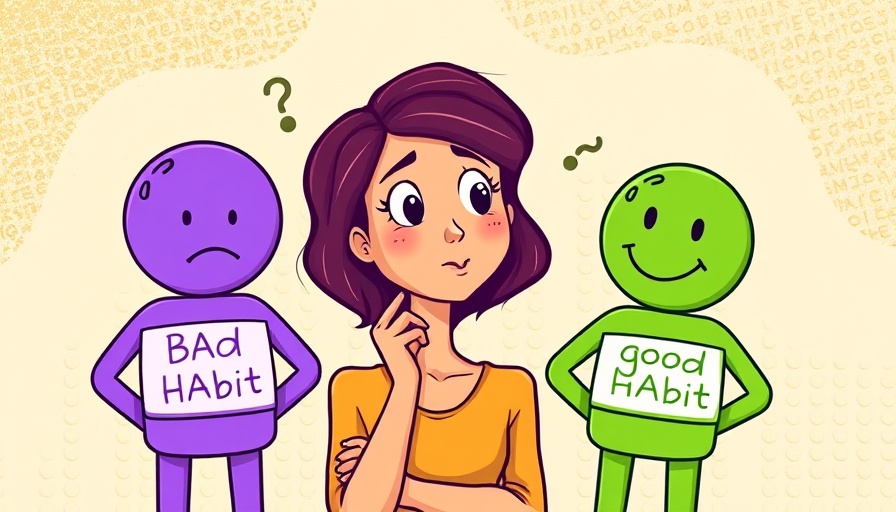
Illustration of choosing between bad and good habits.

Understanding the Battle Against Bad Habits

We all struggle with habits that seem hard to shake off, whether it's reaching for our phones during dinner or indulging in late-night snacks. What if I told you that instead of battling against these habits, you could shift your perspective and accept them? Acceptance might just be the key to transforming those pesky behaviors into opportunities for growth and self-discovery.

The Breakdown: Why We Struggle With Habits

Many of us are no strangers to the frustration of trying to change undesired habits. Consider this: when I noticed my husband’s frustration at my mindless scrolling during dinner, it opened my eyes to how genuinely disconnected I had become from my surroundings. We often approach bad habits by saying things like, "I shouldn't do that," which only intensifies our desire to engage in those very behaviors.

The Power of Acceptance in Habit Change

Acceptance distinguishes itself as a powerful tool when it comes to dealing with bad habits. According to psychological research, attempts at suppression often lead to an 'extinction burst'—a spike in the unwanted behavior after initial efforts to stop it. Reflecting on my own struggle with social media, I found that resisting my cravings only made them stronger. Instead, learning to accept my habits and understanding their origins made me less anxious and more aware of what I truly needed.

Actionable Steps to Embrace Acceptance

If you're ready to change your relationship with your habits, here are practical steps you can take based on personal experience and insights from various wellness strategies:

  • Create Space for Observation: Start by simply noticing when and why you engage in your bad habits. Use mindfulness techniques—like journaling—to become aware of the triggers that lead you to reach for your phone or indulge in snacks. Asking questions like, "What am I really feeling right now?" can offer a deeper understanding of the situations driving your habits.
  • Change the Narrative: Revise how you talk to yourself about your habits. Instead of a strict command to avoid them, try a gentler approach like, "Perhaps I can wait for a better time to check my phone." This form of acceptance acknowledges the urge without judgment.
  • Focus on Emotions: Understand the emotional needs that lie behind your habits. Are you seeking connection, relaxation, or an escape? Recognizing the root causes of your habits is crucial in changing your approach to them.
  • Introduce Healthier Alternatives: Instead of harshly cutting habits, replace them with healthier options. If you want to scroll less, perhaps set designated times for social media or engage in a hobby that doesn’t involve your phone.

Future Perspectives: A Path Towards Sustainable Change

Accepting your habits is not about giving in; it’s about understanding the patterns in your life. As you move forward, think about how small changes can lead to more significant transformations. Life is a complex tapestry of behaviors, and learning to navigate them with grace can promote resilience and encourage healthy growth.

Emotional Insights: How Acceptance Transforms Us

Finally, remember that it’s okay to stumble. Accepting your bad habits can bring a wave of relief. It allows you the grace to learn from your past while gently guiding you toward healthier choices. You’ll find it easier to forgive yourself and press on, motivated by understanding rather than guilt.

If you’re ready to begin this journey of acceptance and transformation, embrace the process of understanding your habits. Explore mindfulness, emotional intelligence, and practical steps that will not just change your habits but enhance your overall well-being.

Everyday Health Hacks

0 Comments

Write A Comment

*
*
Related Posts All Posts
01.24.2026

Why Trusting My Kids with Food Choices Helps Their Health

Update Empowering Kids Through Food ChoicesAs parents, it is natural to worry about our children's eating habits. For many, meals feel like a battleground, with concerns that one wrong choice can lead to unhealthy lifelong habits. However, there's a revolutionary notion in parenting regarding food choices that challenges conventional wisdom: what if, instead of micromanaging every bite, we could empower our kids to listen to their own bodies?Understanding the Science Behind Food RestrictionStudies suggest that restrictive eating can be more harmful than helpful. For instance, research published in the journal Appetite indicates that children who are restricted in their access to certain foods may develop a stronger desire for those very foods, leading to overeating when they are eventually allowed to indulge. Observing this can feel alarming, especially for parents wanting the best for their kids. However, this phenomenon highlights a counterintuitive aspect of food psychology: the more we restrict, the more allure those foods seem to gain. This isn't only applicable to children; adults often encounter similar temptations borne from strict dieting.The Role of Self-Regulation in Healthy EatingThe idea that children are naturally equipped to regulate their own food intake is empowering. Research noted in the New England Journal of Medicine shows that toddlers have an innate ability to adjust their calorie intake according to their needs. If a child overeats during one meal, they intuitively compensate by eating less during subsequent meals. It's essential for parents to recognize that their children possess these self-regulation skills and that heavily managing food choices can undermine them. When children learn to associate food with external rules instead of their body's signals, they may struggle with their eating habits in adulthood.Breaking the Cycle of Good and Bad FoodAnother crucial aspect to consider is the terminology surrounding food. Labels such as “good” and “bad” create a morality-based context for eating that can affect children’s emotional wellbeing. A reputable review published in the International Journal of Eating Disorders found correlations between controlled eating and elevated risks of developing disordered eating patterns later on. How we frame our children’s dietary choices shapes not just their current eating habits but their long-term relationship with food. By refraining from labeling foods as morally charged, parents can foster a healthier perspective towards eating.Practical Strategies for Healthy Eating Without PressureFostering a nurturing food environment helps children develop a healthy relationship with what they consume. Here are a few strategies:Offer Variety: Expose your kids to different foods, and encourage them to choose from the selections available. This autonomy helps them explore their preferences.Model Healthy Choices: Parents should exemplify positive eating behaviors; children often emulate their parent’s choices. Enjoy meals that highlight fruits and vegetables alongside their favorites.Encourage Mindful Eating: Teach kids to listen to hunger and fullness cues. Remind them that it's okay to stop eating when they feel satisfied.Remove Restrictions: Instead of banning certain foods, include them in the family meals. Create balance by having them alongside healthier options.Instilling Lifelong Healthy HabitsIn summary, fostering healthy eating habits needn't be about control; it should be about creating a supportive environment that encourages kids to listen to their bodies. Emphasizing enjoyment and choice not only nurtures a positive mindset but helps to build long-term health-promoting habits. Ultimately, the aim is to raise children who view food as nourishment and enjoyment rather than a source of guilt or anxiety.So, the next time you're faced with the decision of what to serve your kids for lunch or dinner, remember that autonomy in their eating choices could pave the way for a more robust and healthier future.

01.23.2026

Transform Junk Food into Household Heroes: Creative Uses Revealed

Update Unlocking the Hidden Potential of Junk Food In a world increasingly attuned to clean eating and whole foods, the common pantry items we once labeled as 'junk' deserve a second glance. Many households find themselves wrestling with the leftovers of impulsive snacking or culinary experiments gone wrong. Instead of tossing these foods, how about breathing new life into them through creative and practical uses? This shift not only minimizes waste but also fosters a playful and resourceful approach to everyday living. Fun Family Activities That Clear the Pantry Switching to whole foods often reveals half-empty bags of chips, sweets, or ingredients we no longer find appealing. Rather than letting these items gather dust, you can transform them into exciting craft projects! For instance, turn leftover flour into homemade playdough—an engaging activity that both children and adults can enjoy. Consider incorporating colorful food dyes or essential oils to customize your dough while simultaneously using up pantry stock. Add a sprinkle of creativity and laughter, and you've got a family project that recycles junk into art. Harness the Power of Sugar Beyond the Kitchen While refined sugars have fallen out of favor for health-conscious eaters, they can serve remarkable functions beyond sweetening your coffee. Sugar's humectant properties make it an excellent ingredient for homemade body scrubs, arming you with natural skin exfoliation. From chai sugar scrub to vanilla latte and even lip scrubs, transforming sugar into pampering products proves not only useful but indulgent! Beyond Food: The Cleaning Powers of Junk Did you ever think that soda could be your cleaning hero? Coca-Cola, for instance, contains phosphoric acid—ideal for breaking down hard-to-tackle grime. From polishing stainless steel to unclogging drains, it’s astounding what a simple can of Coke can do. This potent cleaning hack is also a gentle reminder of how we can repurpose items otherwise deemed junk, along with fostering discussions about health literacy regarding what we consume. Creative Ways to Minimize Kitchen Waste As we navigate healthier lifestyles, full utilization of pantry staples means less waste and more ingenuity! Vegetable oils can be repurposed as DIY furniture polish or natural wood cleaners—preserving your wooden treasures while cutting costs. Alternatively, you can rescue leftover rice to absorb water from wet electronic devices! Such inventive uses not only creatively rid our pantries of excess inventory but also contribute to a household ecosystem committed to sustainability. Imaginative Uses for Your Favorite Pantry Items Consider how table salt, a common fixture in most kitchens, holds far more utility than its culinary application. Beyond seasoning, it can be combined with vinegar to form an effective weed killer. Likewise, the charm of ketchup isn’t confined to your burgers; it can brighten dull copper and brass surfaces. Unconventional ideas and practical household hacks unlock an expansive realm of possibilities, reinforcing a mindset of resourcefulness and creativity. Conclusion: Transforming Junk into Joy Redefining our approach to what we label as junk food opens a treasure chest of innovative ideas! The path to healthier living does not reside solely in what we eat but also in how we engage with our food environments. Rework your pantry to become a department for creative projects rather than a waste ground. From crafting to cleaning, the possibilities are endless. Take a moment to reflect on what tools and resources you have at your disposal and how you can bring a bit of magic to your everyday life! Clean out your pantry, and turn perceived junk into creative joy!

01.21.2026

Unlock the Secrets of Eco-Friendly Laundry Detergents That Work in 2026

Update Unraveling the Benefits of Eco-Friendly Laundry Detergents in 2026 As our world collectively wakes up to the pressing need for sustainability, the laundry detergent aisle is undergoing a transformation. Once populated by harsh chemicals and synthetic fragrances, this space is now brimming with eco-friendly alternatives that promise effective cleaning without sacrificing health or the environment. But do eco-friendly laundry detergents really work? The answer is a resounding yes! The modern formulations not only operate at par with conventional detergents but often do so while being kinder to our planet and sensitive skin. Why Choose Eco-Friendly Laundry Detergents? For busy individuals and families, selecting a laundry detergent can feel overwhelming with an increasing range of options in the market. Eco-friendly detergents specifically target the concerns of careful consumers by combining performance with environmental consciousness. Many consumers, especially those juggling hectic schedules, are looking for effective solutions that won't compromise the well-being of their loved ones or the environment. Recent testing has proven that these eco-friendly choices eliminate everyday stains effectively and control stubborn odors, particularly from gym wear and children’s clothing. As mentioned in a recent guide, users can expect eco-friendly detergents to perform well in regular family laundry situations but might require a bit of extra care for tough stains or greasy messes. Techniques like pre-treating stains and selecting the right detergent type can enhance results. A Closer Look at the Top Eco-Friendly Choices of 2026 This year has introduced several standout performers in the eco-friendly detergent space, including: Dropps Activewear Biobased Laundry Detergent: A leading choice among pods, renowned for its plant-based components and effective stain control. Earth Breeze Laundry Detergent Sheets: Revolutionizing convenience with their zero-waste packaging, these sheets dissolve easily and reduce the clutter typically associated with liquid detergents. Seventh Generation Free & Clear: A stalwart in the eco-friendly segment, this detergent emphasizes sustainability while still delivering on cleaning power. These options not only excel in innovation but also address the rising consumer awareness regarding sustainable practices. Understanding Your Laundry Needs While eco-friendly detergents generally deliver commendable results, it's essential for consumers to understand their unique laundry demands. For example, heavy-duty individuals—like those working in construction or outdoor settings—might still find themselves reaching for traditional detergents for the most stubborn messes. However, for everyday use, eco-friendly options can tackle dirt and odors efficiently, making them suitable for a majority of your laundry needs. Examining Eco-Friendly Practices in Detergent Production In 2026, the desire for natural ingredients is driving innovation at a remarkable pace. Brands are not just leveraging cutting-edge green chemistry to ensure effective cleaning; they are also adopting ethical manufacturing practices that recycle materials and minimize waste. Companies like Eco Labs, Earth Breeze, and Seventh Generation are leading the charge, and their commitment to producing safe, effective products sets a new industry standard. Conclusion: A Cleaner Home, A Cleaner Planet As we stand at the crossroads of environmental consciousness and laundry care, now is the perfect time to switch to eco-friendly laundry detergents. Not only can you keep your family’s clothes spotless, but you can also feel good about your choices contributing positively to the planet. Are you ready to make the switch? Dive deeper into your options and discover which eco-friendly detergent works best for your household needs. Embrace the change and play your part in fostering a healthier environment while achieving clean, fresh laundry!

Terms of Service

Privacy Policy

Core Modal Title

Sorry, no results found

You Might Find These Articles Interesting

T
Please Check Your Email
We Will Be Following Up Shortly
*
*
*