

Add Row
Add Element
cropper
update
HealthWorks Nevada
update
Add Element
  • Home
  • Categories
    • Quick & Healthy Recipes
    • Mind & Mood Boosters
    • Longevity & Vitality
    • Everyday Health Hacks
    • Healthy Home & Environment
    • Alternative Wellness
    • Chiropractic & Body Alignment
    • Movement & Fitness
March 23.2025
2 Minutes Read

Unlock Pain-Free Movement: Explore Knee Health Exercises Here!

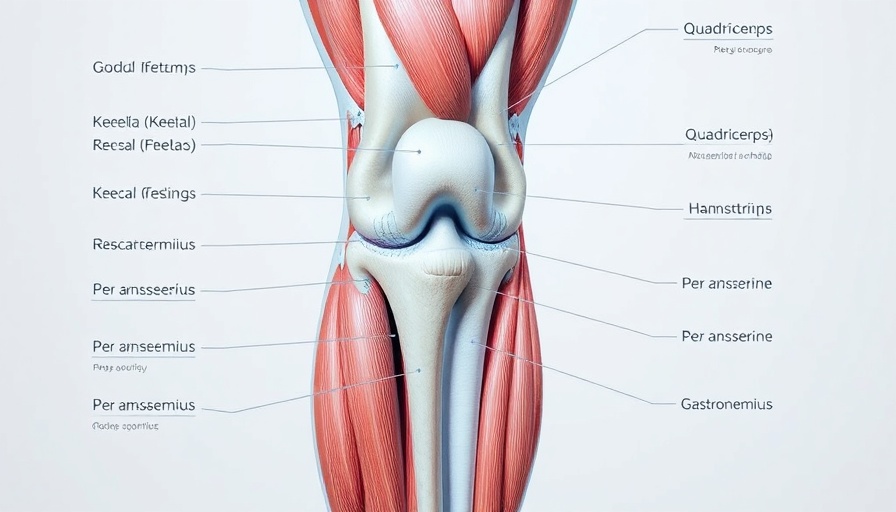
Diagram of knee muscles highlighting quadriceps and hamstrings for knee health exercises.

Understanding Your Knee Pain: What You Need to Know

If you're dealing with nagging knee pain, you're not alone. Many active adults experience discomfort that can make everyday activities, like sprinting or bending down, feel daunting. Understanding the causes of your knee pain is essential to managing it effectively. Common reasons for knee pain include joint wear and tear, ligament injuries, and muscle imbalances. These factors can stem from a sedentary lifestyle or overexertion during physical activities.

Why Squatting Isn’t “Bad” for Your Knees

A common misconception is that exercises like squatting can worsen knee pain. However, when done correctly, squats can actually strengthen the muscles surrounding your knees, providing better support. This not only helps alleviate discomfort but also improves overall leg strength. The key is maintaining proper form to avoid unnecessary strain.

Creating a Killer Knee Health Routine

Regular exercises aimed at improving knee health can transform your mobility. Here’s a simplified routine you can start today:

  • Stretching: Begin each session with stretches for the quadriceps, hamstrings, and calves.
  • Strength Exercises: Integrate exercises such as leg raises, bridges, and squats into your regimen. These build muscle strength without excessive stress on the joints.
  • Balance Training: Activities like single-leg stands or using a balance board can enhance your stability, further protecting your knees.
  • Low-Impact Aerobics: Opt for cycling, swimming, or walking to maintain cardiovascular health without excessive impact.

Enhancing Your Routine with Complementary Strategies

Your knee health will improve even more when combined with smart lifestyle choices. Consider these tips:

  • Nutrition: Nutrient-rich foods can help manage inflammation, which is beneficial for joint health. Incorporate omega-3 fatty acids, fresh fruits, vegetables, and whole grains into your diet.
  • Hydration: Staying hydrated is vital. Water lubricates your joints and helps prevent stiffness and pain.
  • Rest and Recovery: Always listen to your body. If you experience pain during an exercise, take a break and consider reducing intensity.

Consulting with Professionals

While a self-administered exercise routine is a fantastic start, remember that it's crucial to consult with healthcare professionals, particularly if your knee pain is persistent. A physical therapist can provide tailored advice and exercises to aid recovery based on your specific situation.

Taking the First Step Towards Healthier Knees

Adopting an active, healthy lifestyle doesn't have to involve pushing through pain. With the right knowledge and strategies, you can significantly improve your knee health and overall vitality. Start incorporating these exercises and tips into your routine today, and take charge of your knee health!

Movement & Fitness

0 Comments

Write A Comment

*
*
Please complete the captcha to submit your comment.
Related Posts All Posts
03.30.2026

Transforming Back Pain: Proven Movement Strategies for Recovery

Update Transforming Back Pain: Proven Movement Strategies for Recovery Back pain doesn’t have to define your daily life. If you’ve been suffering and finding little relief, you’re not alone. Many adults grapple with this persistent discomfort despite following conventional advice: medications, heat, ice, and stretches. Yet, even when scans declare everything ‘normal’, the pain persists, often affecting your mobility and overall well-being. Why Conventional Solutions Fall Short It may be surprising to learn that rather than relying solely on specialized treatments or quick fixes, the most effective remedies for back pain involve two simple strategies: time and movement. According to physical therapists and countless success stories, the key lies not in complicated regimens, but in consistently engaging your body in full-range, moderate-intensity movements that reassure your nervous system. Successful healing often stems from building a **safe movement framework** rather than targeting the pain directly. As physical therapists emphasize, the goal is for your body to trust movement again—allowing you to reclaim a pain-free life. The Human Experience: Real Stories of Recovery Clients report remarkable transformations through holistic movement programs. Take Russ Taeza from Hawaii, who found relief from lower back aches through a focused approach to body movement, or Sandi York from Buffalo, who restores her outdoor activities after experiencing newfound freedom from pain. James Watt from the UK exemplifies the journey many endure; after years of discomfort, he now confidently performs deep squats and stretches, thanks to targeted hip rotations that alleviated a decade-long struggle with back pain. Understanding Low Back Pain Low back pain is a complex issue that can emerge from various sources—muscle strains, postural imbalances, or degenerative disc problems, which are prevalent especially in adults aged 30 to 60. Factors like genetics, lifestyle choices, and occupational hazards contribute to the development of persistent pain. Chronic low back pain, defined as pain lasting more than 12 weeks, often requires appropriate interventions to prevent further discomfort. This is where effective physical therapy strategies come into play. Actionable Insights: What to Do if You’re Experiencing Back Pain Here are some evidence-based physical therapy treatments that can help: Manual Therapy: Techniques like mobilization and specific guided stretches help restore mobility. Therapeutic Exercises: Core-strengthening routines improve endurance and flexibility, reducing injury risk. Education: Understanding proper posture and body mechanics is vital in minimizing future back issues. This holistic approach means embracing movement as part of your recovery while learning to listen to your body’s signals. Common Misconceptions About Back Pain Treatments Many individuals mistakenly believe that simply maintaining a rigid ‘correct posture’ will alleviate pain. This can lead to aggravation rather than relief. Educating yourself on body awareness can make significant changes to your overall health trajectory. Additionally, it's important to recognize that aggressive stretching isn't always beneficial. Stretches should promote comfort, and understanding which movements to avoid is just as crucial as those to practice. Preparing for a Pain-Free Future Ultimately, the shift towards managing back pain effectively lies in understanding what your body needs. Focusing on full-body functional movements, consistently and safely, helps retrain your nervous system, paving the way for regeneration and healing. Are you ready to transform your pain into proactive recovery? Consider working with a physical therapist to explore how mindful movement can reshape your experience. If the thought of an active, pain-free lifestyle excites you, take the first step today towards better health! Explore local options for guided movement programs or reach out to a physical therapist to begin your personalized journey.

03.19.2026

Harness Your Nervous System: A Guide to Effective Movement and Fitness

Update Train Your Nervous System for a Healthier You The connection between our nervous system and physical fitness is profound and often overlooked. Rather than merely focusing on traditional exercise goals, we can enhance our health by training with our nervous system in mind. This means incorporating movement that activates various neural pathways, which can lead to significant benefits both mentally and physically. How Movement Influences Our Nervous System Understanding the role of movement in supporting nervous system health is crucial. According to experts, physical activity boosts neural communication, facilitating the release of essential neurotransmitters such as serotonin and dopamine. These chemicals not only elevate mood but also enhance cognitive functions like focus and memory. Regular movement serves as a form of natural therapy for the nervous system, encouraging better coordination, reduced stress, and improved emotional balance. Mindful Practices to Elevate Your Workout Incorporating mindful exercises into your routine can profoundly impact your nervous system's health. Activities such as yoga and Pilates develop both physical strength and foster a calm mind. For instance, yoga practices that engage deep breathing and stretching have been shown to activate the vagus nerve, promoting relaxation and reducing anxiety. As Dr. Vikas Gupta puts it, ‘Even 10 minutes of deep breathing and stretching can lead to significant decreases in stress levels and enhance nerve coordination.’ Social and Emotional Benefits of Movement Engaging in movement not only benefits the body but also plays a critical role in our social interactions. Studies indicate that physical exercise improves social cognition, enhancing our ability to recognize emotions and regulate them effectively. Regularly participating in group activities or classes can foster a sense of community, which is vital for emotional well-being. Regular endurance exercise, particularly, has been linked to better social cognitive abilities due to its influence on hormonal levels like oxytocin, known as the ‘bonding hormone.’ Simple Yet Effective Exercises to Strengthen Your Nervous System 1. Walking and Light Jogging: A simple 30-minute walk can enhance oxygen flow to your brain and increase endorphin levels, making it ideal for beginners and seasoned fitness enthusiasts alike. 2. Yoga: Incorporating poses such as the Child’s Pose or Bridge Pose can aid in calming the mind and improving nerve function. 3. Strength Training: Resistance exercises like squats and planks not only build muscle but also create stronger neural pathways between your brain and muscles. 4. Mindful Dancing: Engaging in rhythmic dancing helps connect your emotions with physical movement, positively influencing your mood and stress levels. 5. Breathwork and Meditation: Practicing deep breathing exercises can help calm your nervous system and improve emotional regulation, essential for overall mental health. Conclusion: Move for Your Mental and Physical Health Incorporating movement into your daily life is one of the simplest yet most impactful ways to enhance your nervous system and, by extension, your overall health. Whether through brisk walking, yoga, or strength training, creating small, consistent habits will lead to long-lasting benefits. By viewing exercise as a tool to connect with and train your nervous system, you not only advance your physical fitness but also cultivate emotional resilience. Start moving today for a healthier, happier tomorrow. Ready to take charge of your health? Begin your journey by integrating movement into your daily routine, focusing on mindful practices to strengthen your nervous system.

03.17.2026

Unlocking the Secrets of Your Training Plateau: Embrace Subjectivity

Update Understanding Training Plateaus: A Natural Progression Progress feels fantastic. There's a thrill in seeing your performance metrics soar—more weights lifted, longer distances run, and personal records smashed. But for many dedicated fitness enthusiasts, that sweet satisfaction can fade when faced with stagnation, commonly known as a plateau. Understanding training plateaus is crucial not just for physical growth but also for maintaining the motivation to continue pushing forward. Why Do Plateaus Happen? Plateaus occur when your body adapts to your training routine, making further progress increasingly challenging. As seen in various domains—be it strength training, endurance activities, or skill acquisition—the initial rapid gains slow down. This phenomenon can be distressing, eroding motivation and leading some to believe they have hit a genetic limit. However, it's important to recognize that plateaus are a clear sign of progress made thus far. You've come a long way; it's just time for a new strategy! Rethinking Your Metrics: Embracing Subjectivity Most fitness devotees track metrics like rep counts and weights lifted. While these are beneficial for specific disciplines—such as barbell training—this approach starts to fall short when the focus shifts to skill-based activities where quality takes precedence. The emphasis should be not solely on how many times you perform an action but on how well you execute it. Your subjective experience during a workout—how it feels and the quality of each movement—can provide powerful insights into performance that traditional metrics often overlook. Tracking Quality and Ease: The New Standard Instead of relying solely on numbers, consider two markers of performance: Quality, which reflects how well you performed each movement in line with your training goals, and Ease, which indicates how controlled and natural the movement felt. These subjective assessments can help reveal progress that numbers alone might obscure. Tips to Combat Plateaus When facing a plateau, implementing variety in your training is crucial. Here are practical strategies to reignite progress: Change Exercise Selection: If you're stuck on certain lifts, consider switching them up. For example, if you typically focus on back squats, introduce variations like front squats or lunges. Adjust Training Variables: Tweaking the volume, intensity, or frequency of your workouts can produce significant changes. For example, if you usually lift heavy, incorporate a lighter, higher-rep scheme for a different stimulus. Prioritize Weak Links: Identify areas where you struggle, such as specific lifts or movement patterns, and focus on improving these aspects to enhance overall performance. Cross-Training: Try engaging in a different activity, like yoga for flexibility or swimming for cardiovascular endurance, which can bolster your primary training goals. Engaging the Mind: Mental Strategies for Improvement Plateaus are not just physical barriers; they can also arise from mental fatigue or burnout. Incorporating mindfulness techniques, like meditation or visualization, can help you reset mentally and approach your training with fresh perspective and inspiration. Reflecting on why you started your fitness journey and setting new, meaningful goals can rekindle motivation and create renewed excitement for training. Conclusion: Embrace the Journey Hitting a plateau can be frustrating and disheartening, but recognizing it as part of your fitness journey is vital. Embrace these moments as opportunities for growth and adjustment rather than signs of failure. By reassessing your approach, integrating subjective measures of progress, and staying engaged both physically and mentally, you can break through these barriers and continue on the path toward your fitness goals. Don’t forget, your health is a lifelong journey, and every phase—good or bad—contributes to your overall growth. If you're feeling stuck in your fitness routine, consider adjusting your methods and pursuing exercises that both challenge and inspire you. Experiment with these tips and enjoy a healthier, more fulfilling training experience!

Terms of Service

Privacy Policy

Core Modal Title

Sorry, no results found

You Might Find These Articles Interesting

T
Please Check Your Email
We Will Be Following Up Shortly
*
*
*