
Add Row
Add Element
cropper
update
HealthWorks Nevada
update
Add Element
  • Home
  • Categories
    • Quick & Healthy Recipes
    • Mind & Mood Boosters
    • Longevity & Vitality
    • Everyday Health Hacks
    • Healthy Home & Environment
    • Alternative Wellness
    • Chiropractic & Body Alignment
    • Movement & Fitness
March 23.2025
3 Minutes Read

Exploring the Health Benefits of Creatine for Busy Adults

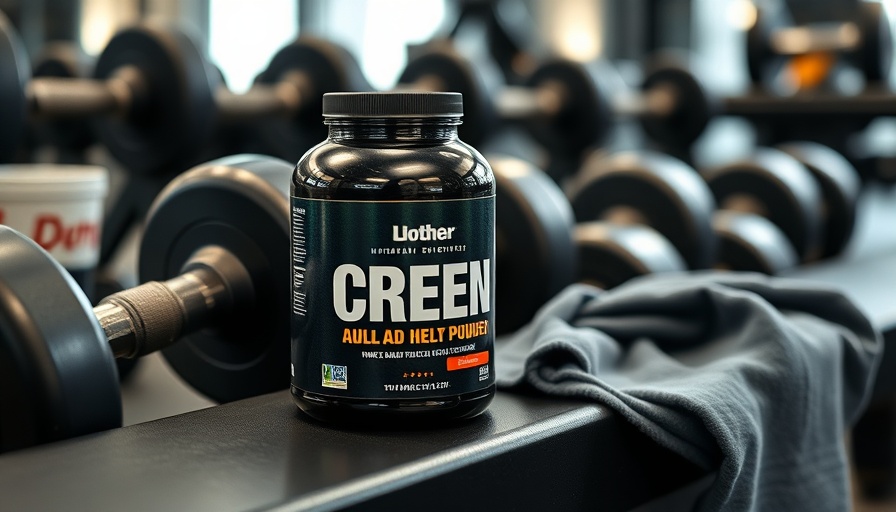
Creatine powder on gym bench highlighting health benefits.

Unlocking the Secrets of Creatine: What It Is and Why It's Essential

In the world of fitness supplements, creatine monohydrate is arguably one of the most well-researched and effective options available. Though often associated with bodybuilders and athletes, creatine offers numerous health benefits that can positively impact busy adults seeking to maintain a fit lifestyle. With its impressive potential to boost athletic performance, improve brain health, and even aid in combating some aspects of aging, understanding this compound is vital for anyone keen to enhance their well-being.

How Creatine Fuels Muscle Performance

Perhaps the most recognized benefit of creatine is its ability to enhance muscle strength and endurance. Creatine achieves this by increasing the availability of adenosine triphosphate (ATP), the body’s primary energy source during high-intensity workouts. Studies indicate that supplementing with creatine can significantly improve strength output—one review in Sports Medicine noted an 8% increase in strength and a remarkable 14% boost in weightlifting performance.

As a busy adult, the prospect of training harder and longer while fitting workouts into a packed schedule is enticing. Taking 3-5 grams of creatine daily may be the boost needed to maximize your training efforts and ensure optimal results.

Boosting Brain Power with Creatine

Beyond its physical benefits, creatine appears to play a crucial role in enhancing brain health. The brain demands high energy levels for optimal performance, and creatine supplementation can support cognitive functions, especially in times of stress or fatigue. Research published in Psychopharmacology indicates that creatine can enhance short-term memory and intelligence scores. For busy adults juggling work, family, and fitness, supporting cognitive function is essential.

Similar to its muscle performance benefits, a daily intake of 3-5 grams can yield cognitive advantages, making it a practical choice for those wanting to stay sharp while managing various responsibilities.

The Connection Between Creatine and Bone Health

Creatine’s health benefits extend to promoting stronger bones, particularly crucial for aging adults. The relationship between muscle mass and bone density is significant; stronger muscles can aid in maintaining bone strength and reducing the risk of osteoporosis. A study in The Journal of Nutrition, Health & Aging found that creatine combined with resistance training notably improved bone mineral density among older women.

For anyone concerned about bone health in their later years, a maintenance dose of creatine when coupled with weight-bearing exercises can be a proactive approach to enhancing skeletal strength.

Combating Aging: How Creatine May Help

As we age, cellular energy production decreases, impacting both muscle function and cognitive abilities. Creatine may serve as a valuable ally in the fight against these declines, making it a supplement not just for athletes but for anyone keen on longevity. It promotes the maintenance of energy levels and muscle function, crucial components of a healthy, active lifestyle.

Incorporating creatine into your health and fitness routine might serve as a foundation for combating age-related declines, helping busy adults maintain vitality for years to come.

Practical Tips for Incorporating Creatine

For those interested in incorporating creatine into their regimen, it’s important to start with the recommended dose of 3-5 grams per day. Mixing creatine into smoothies, protein shakes, or even water makes it easy to consume without disrupting your schedule. Moreover, remaining consistent with supplementation can help facilitate optimal results.

Beyond supplementation, integrating resistance training and regular exercise can complement the effects of creatine, reinforcing its benefits on muscle, bone, and cognitive health.

Take Charge of Your Health and Fitness Journey

Creatine provides unique advantages for busy adults trying to optimize their health and fitness routines. This powerful supplement goes beyond muscle gains; it enhances cognitive function and can even aid in long-term health strategies against aging. By making informed decisions about supplementation, busy adults can navigate their health journeys with confidence and purpose.

Ready to elevate your health and fitness journey? Consider incorporating creatine into your routine and witness the potential benefits firsthand. Remember, taking proactive steps today can lead to a healthier, more vibrant tomorrow!

Movement & Fitness

0 Comments

Write A Comment

*
*
Related Posts All Posts
01.23.2026

Why Being Strong Matters More Than Being Thin for Your Health

Update Transforming Mindsets: From Thin to Strong In a society where the definition of health has often been warped by unattainable beauty standards, many individuals, particularly women, grapple with the relentless pressure to be thin. The journey to self-acceptance in a culture obsessed with body image can feel daunting. Yet, as numerous personal narratives illustrate, shifting focus from size to strength might be the transformative change many need. This was precisely the case for Shannon McDonald, who, after a lifetime of chasing thinness, found a renewed sense of purpose in embracing her strength. The Journey to Self-Discovery Through Strength Training Shannon's experience resonates with many, especially women navigating life stages marked by significant physical and emotional changes. Initially captured by the 'thin is in' mindset, her relentless pursuit of weight loss led to self-imposed dietary restrictions and an unhealthy relationship with exercise. From her own reflection, we can glean that the journey into fitness must be personal and liberated from societal expectations. As she transitioned from soul-crushing cardio routines to weightlifting, something remarkable happened: she began to appreciate her body's capabilities rather than focusing on its appearance. This shift aligns with perspectives shared in various health articles that encourage the adoption of strength-based workouts over calorie-counting. Understanding the Difference: Fit vs. Skinny It's crucial to differentiate between being fit and being skinny. The former isn’t tied solely to appearance but embodies overall health, resilience, and the ability to perform daily tasks without exhaustion. In her article about slim versus fit, a prominent health blog emphasizes that thinness does not always equate to health. Indeed, the real metrics of health include muscle mass, bone density, and metabolic efficiency, which often get overlooked in favor of attaining a certain look. Why Strength Matters More Than Size As women age, maintaining strength and muscle mass becomes paramount for longevity. Health experts highlight that the metabolic advantages of muscle far outweigh the superficial allure of being skinny. While muscle burns calories at rest, a high percentage of body fat does not offer the same metabolic efficiency. Furthermore, strength training can improve bone density, particularly important for women over 40 who face increased risks of osteoporosis. Shannon's journey underscores this sentiment, as embracing weightlifting led her not only to physical changes but empowered her self-image and confidence. Overcoming Emotional Barriers and Building Healthy Habits The transition from focusing on thinness to prioritizing strength is not without emotional hurdles. For many, deeply ingrained beliefs about body image can lead to persistent cycles of guilt and shame relating to food choices and exercise routines. Shannon shares how, after embracing a strength-oriented exercise regimen, her emotional state improved significantly, a narrative echoed in many wellness discussions. By learning to appreciate her body for its strength and abilities, rather than for how it measures up to societal expectations, she found joy in fitness rather than a sense of duty. Adopting a flexible approach to eating that focuses on nourishing the body with protein and healthy fats rather than simply counting calories further complements this newfound outlook. Practical Strategies for Shifting Your Fitness Focus For those looking to shift their perspective from skinniness to fitness, here are some actionable insights: Set strength-based goals: Instead of aiming for a specific weight, focus on lifting heavier or increasing endurance. Incorporate resistance training: Blend different forms of strength workouts into your routine, using weights, resistance bands, or body weight. Eat mindfully: Nourish your body with balanced meals rich in proteins and healthy fats, steering clear from strict dieting. Celebrate small wins: Acknowledge progress in your fitness journey, whether it’s lifting a heavier weight or improving stamina. Ultimately, embracing a strength-oriented mindset not only improves physical health but also enhances mental well-being. Participants in fitness communities often report higher self-esteem and satisfaction with their lives, reinforcing the value of this approach. As Shannon and others have discovered, the most admirable bodies are those defined not by size but by strength, resilience, and the joy they bring in every aspect of life. Call to Action: Embrace Your Journey If you're ready to redefine your fitness journey, we encourage you to focus on becoming the strongest version of yourself. Join local community classes, engage with online fitness groups, or even consult a trainer who can guide you in your strength training exploration. Remember, the endeavor to be strong is not just about lifting weights—it's about lifting your spirit, enhancing your life, and cultivating a body that you respect and cherish.

01.23.2026

The Missing Skill for Lifelong Fitness: Mastering Your Decision Framework

Update Understanding the Gaps in Fitness Knowledge In a world flooded with fitness advice ranging from the elaborate to the absurd, many find themselves trapped in a cycle of trial and error. Whether you're a gym veteran or just stepping onto the mat for the first time, the question arises - how do we navigate this barrage of information? The reality is that amidst the chaos of fitness fads and impassioned online gurus, the thing that often eludes us is a clear decision-making framework. Why a Decision Framework is Essential Many of us plunge into our fitness journeys armed with an overload of information but lacking a systematic approach to make sense of it all. Much like how Philip Maffetone describes the emotional (System 1) and analytical (System 2) modes of decision-making in health and fitness, we often fall prey to quick-fix solutions that promise the world but leave us empty-handed. By employing a decision framework, we can gather relevant data, identify what matters to us personally, and reflect on our unique circumstances. Rather than letting fear or fleeting trends dictate our choices, we learn to prioritize our needs, whether that's strength training for daily tasks or flexibility work for injury prevention. Learning to Adapt: A Key to Lifelong Fitness As our lives constantly evolve, so should our fitness routines. Something that worked at one time may no longer yield results due to changes in our bodies, our schedules, or even our goals. Recognizing this point is crucial for sustained fitness success. Adopting a mindset of ongoing reassessment allows individuals to adjust their programs to fit their current realities rather than clinging to outdated approaches. This concept echoes the Assess → Address → Apply model advocated by GMB, which emphasizes a continuous loop of evaluation and adaptation. It’s not just about following guides or protocols; it’s about tailoring those strategies to our unique contexts again and again. Strategic Choices: Avoiding Common Pitfalls As mentioned in the Psychological article from PMC, the allure of emotional advertising can lead to poor decision-making in fitness. Misconceptions like 'no pain, no gain' can skew our perception of what a healthy workout should feel like. We often forget that discomfort doesn’t always equal progress. In reality, a smart, controlled approach to training that respects our bodies’ signals is far more beneficial long-term. Ultimately, understanding this helps to unify the conflicting messages within the fitness industry. Not everything is about lifting the heaviest weights but building a sustainable exercise routine that caters to our lifestyle and well-being. Key Takeaways for a Balanced Approach to Fitness 1. **Make informed choices**: Before diving into the next trending exercise or diet, ask yourself how it fits your current situation and objectives. 2. **Implement frameworks**: Utilize methods like the Assess → Address → Apply model to streamline your decision-making process. 3. **Reassess frequently**: Regularly evaluate what’s working and what isn’t. Don't fear change; embrace it! 4. **Seek knowledge, not noise**: Rather than getting lost in the clutter, focus on what resonates with your goals and lifestyle. With the right mindset and an adaptable strategy, lifelong fitness doesn’t need to be a maze of confusion but rather a rewarding journey marked by continued growth and wellness. Call to Action: Ready to redefine your approach to fitness? Implement a framework that works for you and watch as you transform your journey into a sustainable and enjoyable practice.

01.13.2026

How to Achieve Lasting Fitness Progress Without Burnout

Update Understanding the Pitfalls of Progress in Fitness When embarking on a fitness journey, we often find ourselves excited about the initial stages—eager to push boundaries and achieve elusive goals. However, many individuals soon realize that despite their best efforts, progress can stall unexpectedly. Whether through rigorous training or active participation in numerous programs, a common experience arises—an underlying feeling that something is off. This sensation becomes particularly pronounced when workouts that once seemed effective suddenly yield minimal results. Why Adding More Isn't Always Better The common belief in fitness circles revolves around the idea that more intensity, heavier weights, and additional exercises equate to better results. While pushing limits can certainly foster improvements, relying solely on this approach can correspondingly lead to feelings of frustration and fatigue. Over time, the body's capacity to recover from increasing loads diminishes, leading to heightened fatigue and degraded movement quality. At GMB, we advocate for a shift in perspective—rather than simply adding more, we emphasize the value of sustainable progress through a structured approach to training. It’s crucial to recognize that true advancements occur through thoughtful development of physical capabilities, not merely through relentless attempts to outdo oneself. Embracing a Holistic Training Philosophy Central to the GMB Praxis method is the understanding that training should be a well-rounded experience. Rather than treating fitness as a series of isolated phases—such as strength training or mobility sequences—it is vital to integrate various movement capabilities cohesively. The Praxis curriculum organizes training around three ongoing pillars: Build the Foundation: Strengthening core competencies serves as the baseline for advanced skills. Develop Specific Attributes: This involves enhancing particular skills while remaining cognizant of overarching goals. Apply in Real Movement: Successfully applying these skills in practical, everyday scenarios is the ultimate goal. Reassessing Goals: Focus on Longevity and Lifelong Capability When considering motivations behind a fitness journey, people often fixate on external metrics—like weight loss or muscle gain—but at what cost? Programs that prioritize superficial targets can lead to burnout and disappointment, as they do not promote lasting successes. The ethos at GMB emphasizes setting meaningful goals that focus on how individuals feel in their bodies and the abilities they wish to sustain throughout their lives. For example, the ability to bend down without pain or playing with children with agility surpasses fleeting aesthetic transformations. These functional goals not only enrich daily experiences but also have a positive impact on mental well-being, allowing individuals to feel more capable and less hindered by their physical state. The Role of Self-Reflection in Sustainable Change One effective strategy for overcoming stagnation in fitness progress is to incorporate meaningful self-reflection into your routine. By evaluating past training sessions, individuals can gain valuable insights into what worked, what didn’t, and where adjustments may be necessary. For example, after each workout, asking questions such as “Did I feel looser?” or “Am I moving better?” can illuminate paths toward improved outcomes. Moreover, developing the habit of reflecting on each session emphasizes a learning mindset, turning every workout into an opportunity for growth rather than a metric to measure success. Creating a Fitness Routine That Lasts For fitness to genuinely fit into one’s lifestyle, it needs to be both sustainable and adjustable. Rigid training plans often lead people to abandon their efforts when obstacles arise. Instead, prioritize a flexible routine that responds to your body’s needs, allowing you to remain active at any age or stage of fitness. This adaptability ensures that rather than simply chasing goals like a quick six-week transformation, you cultivate a lifestyle where fitness is a natural extension of your daily life. Effective wellness cannot be defined purely by the intensity of workouts; instead, it flourishes in the appreciation of small, consistent steps that allow you to maintain movement quality while enjoying the process. As you embark or continue your fitness journey, take a step back and evaluate your goals. Consider how you want to feel and what capabilities you wish to maintain over the long haul. Let go of crash diets or extreme modalities that promise rapid change, and instead, focus on building a training routine that you can sustain for years to come. Remember, it’s about the journey and not just the destination; take it one day at a time, and the momentum of consistency will carry you forward.

Terms of Service

Privacy Policy

Core Modal Title

Sorry, no results found

You Might Find These Articles Interesting

T
Please Check Your Email
We Will Be Following Up Shortly
*
*
*