
Add Row
Add Element
cropper
update
HealthWorks Nevada
update
Add Element
  • Home
  • Categories
    • Quick & Healthy Recipes
    • Mind & Mood Boosters
    • Longevity & Vitality
    • Everyday Health Hacks
    • Healthy Home & Environment
    • Alternative Wellness
    • Chiropractic & Body Alignment
    • Movement & Fitness
March 23.2025
3 Minutes Read

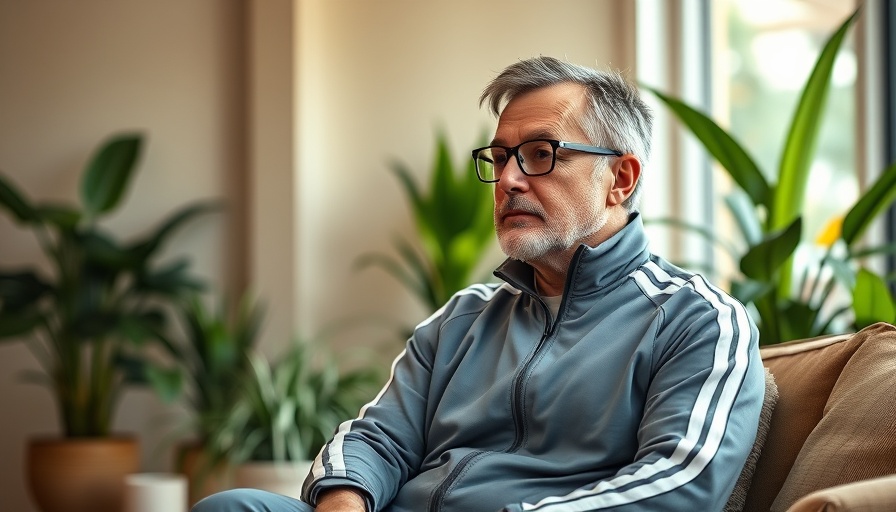
Embrace Aging: Discover How Beauty is More Than Youth

EP #1544: "Aging is Living" and How Beauty is so Much More Than Trying to Turn Back Time

The Power of Aging: Embracing Life's Journey

Aging is a natural part of life, yet it often brings misconceptions and fears about our appearance and vitality. For many adults, the quest to maintain youthfulness can overshadow the joys of aging gracefully. However, understanding that aging is living can shift our focus to more positive aspects of this phase of life. Instead of solely trying to turn back time, let's celebrate the wisdom, experiences, and accomplishments that come with age.

Understanding the True Meaning of Beauty

Beauty is often seen as a fountain of youth, but is that a fair assessment? It’s essential to redefine beauty to include confidence, self-acceptance, and embracing one’s unique traits. According to beauty industry experts, authentic beauty shines through not just in our physical appearance but also in our mental and emotional resilience. This shift in perspective helps cultivate a healthier self-image, allowing us to appreciate our bodies at every stage of life.

Healthy Aging: Vitality Beyond Aesthetic

As we age, maintaining energy can be challenging, particularly for adults juggling busy schedules. Yet, adopting a lifestyle centered around health can help you thrive. Integrating a variety of fitness activities that you enjoy, focusing on nutrition, and prioritizing mental wellness are pivotal. Simple yet effective strategies such as incorporating more plant-based foods, staying hydrated, and engaging in regular physical activity can significantly improve your vitality.

Community and Connection: The Foundation of Well-Being

A key aspect of healthy aging is community. Connecting with others can vastly improve our emotional health and longevity. Finding groups that share similar interests, whether in exercise, hobbies, or community service, can fulfill our social needs and keep us motivated in maintaining an active lifestyle. Engaging with friends or family about health choices can create a supportive network that celebrates health and vitality.

Real-Life Inspiration: Stories of Vibrant Aging

Consider the inspiring stories of remarkable individuals redefining aging. A 70-year-old marathon runner showcases tenacity and passion that defies stereotypes surrounding older adults. Similarly, many seniors are using social platforms to share their journeys, creating a movement that emphasizes the beauty of aging and vitality. Their stories remind us that life is not merely about trying to look younger but about striving to live enriched and fulfilled lives.

Practical Tips for Embracing the Aging Process

To truly embrace aging as a journey, here are some practical tips everyone can incorporate into their daily lives:

  • Stay Active: Regular movement isn’t just crucial for physical health; it’s also beneficial for mental well-being. Explore activities that resonate with you, be it yoga, walking, or dance classes.
  • Prioritize Nutrition: Focusing on a balanced diet rich in antioxidants can significantly aid the body in managing the effects of aging. Foods like berries, nuts, and leafy greens can work wonders.
  • Mindfulness Practices: Engage in practices such as meditation or journaling to improve mental clarity and reduce stress.

By implementing these strategies, anyone can foster a lifestyle that promotes health and happiness as they age.

Conclusion: Celebrate Your Age, Celebrate You

Aging is not just a phase to survive but a rich tapestry of experiences that deserves to be celebrated. By weaving together beauty, vitality, and community, individuals can embrace the journey of aging with open arms. So, let go of the desire to turn back the clock and instead focus on living your best life at every age. Remember, it’s about thriving, connecting, and finding joy in the art of growing older. Take small steps each day towards a healthier lifestyle, and discover the wonders of aging!

Longevity & Vitality

Write A Comment

*
*
Related Posts All Posts
10.04.2025

Unlocking Longevity: Why Grip Strength Is a Key Health Indicator

Update The Vital Link Between Grip Strength and Longevity When was the last time you thought about your grip strength? Most people associate it with straightforward tasks, like opening jars or lifting weights. However, grip strength is emerging as a critical health marker, proving to be much more significant than previously acknowledged. Recent studies show that grip strength is an excellent predictor of overall health and longevity, linking it to a range of health outcomes including heart disease, metabolic function, and even cognitive abilities as we age. If you think grip strength is just about your hands, think again! Understanding Grip Strength and Health Risks Despite sounding like a niche detail, researchers are finding grip strength is an informative proxy for overall bodily strength and function. Weak grip strength has been associated with serious health risks, including: Increased risk of heart disease and stroke Higher chances of cognitive decline Greater susceptibility to falls and fractures Higher mortality risk from all causes A meta-analysis highlighted that each 5 kg reduction in grip strength correlates with a stunning 16% increase in all-cause mortality risk. This approach quantifies grip strength as a metric that reflects not only the muscle's power but also your overall neuromuscular function. Grip Strength and Its Broader Implications Studies show that grip strength goes beyond just muscle function—it’s a window into your metabolic health. Individuals with weakened grip strength often face increased chances of developing chronic conditions such as type 2 diabetes. It showcases the direct impact of physical activity on our health; less activity means weaker muscles and, consequently, weaker grip strength, leading to a vicious cycle of health decline. Simple Tests to Measure Your Grip Strength How can you assess your grip strength without the need for fancy equipment? There are several simple tests you can employ: Dynamometer Test: The gold standard for measuring grip strength, requiring you to squeeze a handheld device measuring the force output. Tennis Ball Squeeze: Squeeze a tennis or stress ball for the longest duration possible—your goal should be 15-30 seconds! Hanging Time: Hang from a pull-up bar—aim for at least 1 minute to gauge upper body endurance. These tests not only help track your grip strength over time but also serve as indicators of your overall fitness and well-being. Practical Strategies to Boost Your Grip Strength The exciting part is that improving your grip strength can be achieved through various exercises tailored to engage your forearms and upper body effectively: Deadlifts: Excellent for developing grip strength and total body power. Pull-Ups/Chin-Ups: Great upper body workout that targets grip endurance. Farmer’s Carry: Involves carrying heavy weights over a distance, directly testing grip endurance. Engaging in activities that challenge your upper body can yield significant improvements to your grip strength while enhancing overall physical function. Embrace the Strength of Community While grip strength is crucial for personal health, it also speaks volumes about our communities. Higher average grip strength in populations correlates with better athletic performance, as evidenced in Olympic medal counts. Thus, fostering public health initiatives could promote awareness about the importance of grip strength and encourage community fitness efforts. Final Thoughts: Take Action Today! Understanding and improving your grip strength may not seem essential initially, but it could be the key to unlock health benefits that last a lifetime. Start with simple tests today and integrate grip-strengthening exercises into your routine. It’s never too late—doing something as simple as squeezing a ball can put you on the path toward better longevity and well-being! If you’re curious to learn more about practical tips for daily health and fitness, sign up for a newsletter that delivers curated insights tailored to your lifestyle aspirations!

09.13.2025

Live Forever: Essential Tips for Long-Lasting Health and Vitality

Update Unlocking the Secrets to Longevity: Why Your Choices Matter We all know the harsh truth: death is inevitable. However, this knowledge shouldn't deter us; instead, it should motivate us to seize control of our health and longevity. As we age, the focus often shifts from looking good to feeling good, and maximizing our quality of life becomes paramount. The Must-Have Habits for a Longer Life To embrace a longer, healthier life, incorporating fundamental habits into your daily routine is essential. Recent studies correlate longevity with disciplined lifestyle choices, emphasizing the power of exercise and nutrition. Cardio: Your Lifeline to Longevity It’s easy to dismiss cardio as a chore, but dismissing it could cost you precious years. Every health expert agrees: engaging in regular cardiovascular exercises can significantly reduce the risk of chronic diseases and enhance your overall physical capabilities. Nourishing Your Body: The Power of Nutrition It’s widely agreed that a balanced, nutritious diet is pivotal. Think of it as fuel for your body—a vehicle that needs the right oil to run smoothly. Incorporating plenty of fruits, vegetables, whole grains, and lean proteins can make a world of difference in your vitality. Mind Over Matter: The Role of Mental Health Physical health is only part of the equation; mental well-being plays a crucial role in longevity as well. Managing stress through mindfulness practices, such as yoga and meditation, can foster resilience against the stressors that life throws our way. Future Fitness Trends: What’s on the Horizon? Looking ahead, wellness tech is set to revolutionize how we approach fitness. Wearable devices that track movement, sleep patterns, and heart rate will enable us to personalize health strategies, ensuring we're not just extending life, but enhancing life quality. Make the Commitment: Start Today! In the grand scheme of things, it’s about taking actionable steps now. Whether it’s adopting a daily workout regimen or re-evaluating your diet, the time to invest in your health is now. Transforming habits is more about consistency than perfection—small changes can lead to significant impacts. Conclusion: Your Health, Your Future Embracing these principles of longevity—exercise, nutrition, mental health, and innovation—can set the stage for a longer, happier life. Don’t wait for tomorrow to start; begin today and pave the way for a vibrant future. If you’re inspired to kick-start your journey toward better health and longevity, consider incorporating these tips into your routine. Your body—and your future self—will thank you!

08.29.2025

Discover How the Sit to Rise Test Can Predict Longevity

Update Unlocking Longevity: What the Sit to Rise Test Reveals If you’ve ever wondered about your longevity prospects, the Sit to Rise Test (SRT) could be the game changer you didn’t know you needed. The premise is simple: can you sit down on the floor and then get back up without using your hands? This test, developed by Brazilian researchers, has captured public attention and sparked a wave of social media challenges. But its significance goes far beyond mere entertainment. It serves as an insightful indicator of one’s health and physical fitness. Understanding the Connection Between Mobility and Longevity The SRT scores individuals based on their ability to sit down and rise up without support, with a perfect score being 10. Research shows that those who score lower—particularly in the 0-3 range—face a death risk 5 to 6 times higher than those who score between 8 to 10. Every 1-point increase reduces mortality risk by approximately 21%, irrespective of age, sex, or BMI. This correlation highlights that strength, balance, and mobility are foundational for not just life expectancy but also for quality of life. As the saying goes, 'It's not getting up from the ground that extends life; it's the physical capacities that enable it.' The Physical Attributes that Matter Most What does the SRT truly measure? Primarily, it evaluates three critical physical attributes: Strength: This involves the muscles of your hips, legs, and core that play a vital role in the movement. Mobility: The ability to move through your hips, knees, and ankles is essential for performing daily tasks with ease. Balance and Coordination: Smooth transitions from sitting to standing require body awareness and control, elements crucial for preventing falls as we age. What If You Struggle with This Test? Struggling to perform the SRT doesn’t mean you’re destined for poor health. Instead, it’s a call to action! Common factors inhibiting performance typically include: Strength Deficits: Many people lack the necessary lower body strength, essential for getting off the ground without assistance. Mobility Restrictions: Joint stiffness can substantially impact your ability to move fluidly and perform the test. Balance & Coordination challenges: These are crucial, particularly as we age and lose muscle mass and flexibility. Boost Your Performance: Practical Tips to Enhance Strength and Mobility If the SRT felt more challenging than expected, there’s good news: these aspects can be improved. Getting Stronger To enhance strength, particularly in the legs and hips, engaging in lower body exercises is key. Squats, lunges, and even step-ups are effective. Begin with basic movements and gradually increase intensity as you develop strength. Improving Mobility Incorporate stretches and mobility exercises such as yoga or Pilates into your routine to enhance flexibility in your joints. Simple hip openers can be beneficial. Balancing and Coordinating Focusing on balance can be achieved by performing activities such as tai chi or one-legged stands. These exercises improve coordination and body awareness, making transitions smoother. Conclusion: Take Charge of Your Health Today! Understanding how the Sit to Rise Test correlates with longevity insights can empower you to take proactive steps towards better health. Improvement is not only achievable but also essential for maintaining independence and wellbeing as we age. Don’t be disheartened if this test is tough; it’s just the beginning of your journey toward peak physical fitness. Now, grab your shoes, find a space, and start implementing these tips today!

Terms of Service

Privacy Policy

Core Modal Title

Sorry, no results found

You Might Find These Articles Interesting

T
Please Check Your Email
We Will Be Following Up Shortly
*
*
*