

Add Row
Add Element
cropper
update
HealthWorks Nevada
update
Add Element
  • Home
  • Categories
    • Quick & Healthy Recipes
    • Mind & Mood Boosters
    • Longevity & Vitality
    • Everyday Health Hacks
    • Healthy Home & Environment
    • Alternative Wellness
    • Chiropractic & Body Alignment
    • Movement & Fitness
October 10.2025
3 Minutes Read

Discover the Secrets of DIY Anti-Aging Rosehip Face Serum for Radiant Skin

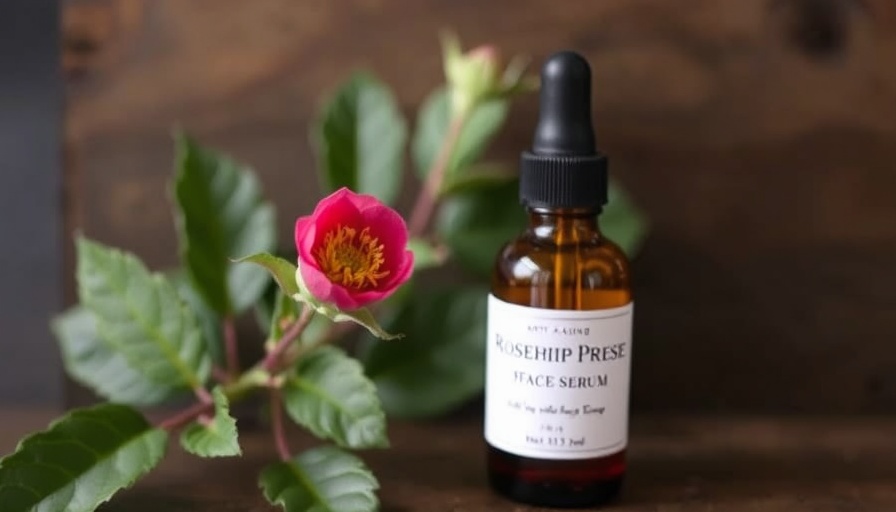
DIY Anti-Aging Rosehip Face Serum

Unlock the Wonders of DIY Skin Care with Rosehip Face Serum

In today’s wellness-centric world, more people are looking to take control of their skin health, especially as the years go by. One of the popular avenues taken is creating personalized skincare products at home, and nothing stands out quite like a do-it-yourself (DIY) rosehip face serum.

Why Rosehip Seed Oil is a Must-Have

Rosehip seed oil has gained traction for its potent anti-aging properties. This oil, derived from the seeds of wild rose bushes, is abundant in essential fatty acids, vitamins A, C, and E, all of which play a critical role in skin rejuvenation. Vitamin A boosts collagen production, while Vitamin C offers brightening benefits and shields the skin from oxidative stress. These elements work together by improving skin elasticity and reducing the visibility of age spots and fine lines. As a result, using a rosehip-infused serum is not just skincare—it's a nourishing treatment for revitalizing your complexion.

The Power of Combining Oils

The beauty of crafting your own serum lies in the ability to combine multiple synergistic oils. For instance, including evening primrose oil introduces gamma-linolenic acid (GLA), which is known to hydrate and maintain the skin barrier, especially as our natural production wanes with age. Additionally, incorporating sea buckthorn oil further enriches the blend with omega fatty acids that enhance skin repair and shield from environmental damage, particularly sun exposure.

How to Create Your Own Rosehip Serum

Making an anti-aging rosehip face serum at home is a straightforward and rewarding endeavor. Start by gathering your ingredients, which typically include:

  • 1.5 tsp of rosehip seed oil
  • 0.5 tsp evening primrose oil
  • 0.5 tsp sea buckthorn oil
  • Olive oil or your choice of lighter carrier oil
  • Optional: 6 drops each of Vitamin E oil and frankincense essential oil

Combine the oils in a dropper bottle, ensuring you leave room for the dropper to fit. After giving it a good shake, you are set! This serum can be applied directly to clean skin, making it a simplified addition to your routine.

Embracing a Healthy Lifestyle

Creating and using your rosehip serum aligns perfectly with the growing trend toward natural wellness. As many adults face busy schedules and the demands of parenthood, the appeal of quick beauty routines that contribute to long-term health is significant. This DIY serum not only meets the aesthetic needs but also fosters a sense of accomplishment and empowerment—qualities that resonate deeply in today’s health-conscious culture.

Benefits Beyond Beauty

There’s something profoundly satisfying about knowing exactly what goes into your skincare regimen. Not only do you avoid the potentially harmful additives found in many commercial products, but you also reap the psychological benefits of taking charge of your beauty regimen. Understandably, tailoring the serum to suit your skin’s specific condition fosters a more intimate relationship with your self-care routine.

Lasting Impact: Your Next Steps

If you haven’t tried making your own skincare products yet, now is the perfect time to dive in! With minimal preparation, you can create your customized serum that not only enhances your complexion but also supports overall healthy skin. Don’t just stop at rosehip oil; the world of DIY natural skincare is vast and teeming with possibilities that cater to every skin type.

So why wait? Discover the wonders of DIY skincare today and transform your daily regimen into an act of self-love and creativity.

Alternative Wellness

0 Comments

Write A Comment

*
*
Please complete the captcha to submit your comment.
Related Posts All Posts
03.27.2026

Escaping an Abusive Situation: Insights into Healing and Resilience

Update Understanding the Impact of Leaving an Abusive Relationship Escaping an abusive situation is monumental—not just physically freeing oneself, but also navigating the complex emotional landscape that follows. When Rebecca Wells escaped her situation, she carried not just her own trauma but also the weight of her children's experiences. The act of leaving is often merely the beginning of a long journey towards healing. Emotional Trauma and the Healing Process Many individuals, like Rebecca, may find that while they have physically removed themselves from an abusive situation, the emotional scars remain. According to The Center, understanding and acknowledging the abuse is critical to healing. Validation of one’s experiences lays a foundation for rebuilding self-worth and it is essential to process complex emotions that often arise post-exit. Rebuilding after Trauma: Self-Care and Support Systems Your journey post-abuse is both unique and shared by many. Seeking professional help is paramount; therapy offers coping strategies to combat anxiety, fear, or guilt. Rebecca’s narrative highlights the importance of self-care during this tumultuous time. Establishing a support system—whether through friends, family, or support groups—provides crucial encouragement and validation, as noted by Talkspace. The Importance of Setting Boundaries Creating a safe environment post-abuse means setting boundaries. This not only limits contact with those who harm you but also reinforces your sense of peace. The Center emphasizes that setting and communicating boundaries is vital in reclaiming your life and reinforcing self-worth—elements that Rebecca discusses through her own experiences. Learning from Experience: Wisdom through Pain Rebecca reveals that what initially appears to be suffering can transform into wisdom. Her journey has not only altered her perspectives but also enriched her relationship with her children. This heartbreaking yet enlightening experience parallels findings from Talkspace, where survivors are encouraged to explore their strengths through adversity. The essence here is recognizing that every wound can morph into a source of strength and resilience. Common Misconceptions About Healing One common misconception is that leaving an abusive relationship is the hardest part. In reality, the emotional aftermath often proves to be just as, if not more, challenging. Individuals may grapple with feelings of guilt, shame, and sadness for prolonged periods, a situation amplified by societal stigma. It's important to recognize these feelings as valid and normal during the recovery process. Practical Steps to Foster Healing The path to healing is multifaceted, requiring focus on both emotional and physical well-being. Engage in activities that nurture both, such as exercise and meditation. Consider journaling to express your feelings and track your progress. Rebecca’s return to her own needs highlights the importance of self-acknowledgment—reminding us all that our healing is just as important as anyone else’s. Moving Forward with Resilience Every step taken toward healing is a victory. It is vital to recognize the bravery in choosing to break free from toxic cycles. Work towards cultivating healthy relationships, setting boundaries, and continuing personal growth. Rebecca's advice resonates widely: claim your narrative, acknowledge your resilience, and celebrate your journey—every step is worth honoring. In conclusion, the story of escaping an abusive relationship serves as a powerful reminder that while the road to recovery may be long and winding, it is possible to emerge stronger and more self-aware. The challenges faced in the aftermath offer profound lessons on self-worth, resilience, and the transformative power of healing.

03.27.2026

Maximize Your Skin's Potential with Hyaluronic Acid and Niacinamide

Update Unlock Radiant Skin with Hyaluronic Acid and Niacinamide In the bustling world of skincare, two heavyweight ingredients, hyaluronic acid (HA) and niacinamide, have emerged as standout favorites. Renowned for their individual benefits, combining these two can bring your skincare routine to a new level of effectiveness and skin radiance. Understanding Hyaluronic Acid: Nature's Hydration Powerhouse Hyaluronic acid, naturally found in the body, has an incredible ability to hold moisture—up to 1,000 times its weight in water! This means that when applied topically, HA can dramatically increase skin hydration, leading to a plump and youthful appearance. It's particularly beneficial for those dealing with dry or aging skin, making it a must-have in any skincare regimen. Niacinamide: Your Skin's Best Friend On the other hand, niacinamide, or vitamin B3, works wonders by improving skin’s elasticity, helping to even out skin tone, and reducing pore appearance. Moreover, it helps regulate oil production, making it fantastic for those with oily or combination skin. As it strengthens the skin’s barrier, niacinamide also protects against environmental aggressors. The Perfect Skincare Duo: Benefits of Using Them Together When used in synergy, hyaluronic acid and niacinamide provide a comprehensive skincare strategy. HA delivers intense hydration while niacinamide ensures that the skin maintains its moisture balance. Together, they can lead to smoother texture, reduced fine lines, and alleviation of skin irritations. Layering Techniques for Maximum Results To harness the full power of these two ingredients, it’s important to understand the best way to layer them: begin with hyaluronic acid on damp skin to draw moisture in, followed by niacinamide to lock that hydration in place. This method not only amplifies hydration but also calms the skin, promotes even tone, and refines texture. Targeted Solutions for Every Skin Type Whether you’re facing dryness, signs of aging, or issues with excess oil, this dynamic duo can be adapted to your specific skin needs. Hyaluronic acid is versatile enough for all skin types and is especially beneficial in dry patches. In contrast, niacinamide is ideal for balancing oily areas while still providing moisture for overall skin health. Future Insights: More Than Just Hydration As skincare science advances, the trend of using multi-benefit ingredients will likely continue. The combination of hyaluronic acid and niacinamide offers a glimpse into the future of skincare that prioritizes both hydration and skin barrier health. This evolution reflects a deeper understanding of how to treat skin holistically. Your Action Plan: Implementing This Skincare Routine Eager to get started? Here’s a simple routine: clean your face with a gentle cleanser, apply hyaluronic acid serum to damp skin, followed by niacinamide, and finish with your favorite moisturizer. Don’t forget to apply sunscreen in the morning to protect your newly radiant skin! Incorporating hyaluronic acid and niacinamide into your routine is a smart move for anyone seeking to enhance their skin’s appearance and health. These ingredients don’t just hydrate; they revitalize and repair. Give them a try today and watch your skin transform into a glowing masterpiece!

03.20.2026

Discover the Pain-Relieving Benefits of Dit Da Jow Herbal Liniment

Update Unveiling Dit Da Jow: A Timeless Herbal Remedy In the world of natural remedies, a hidden gem stands out: Dit Da Jow. This ancient herbal liniment, widely revered in martial arts circles, is not merely an old-school antidote for pain; it's a culturally rich tool for rejuvenation and recovery. Often dubbed "hit wine medicine," Dit Da Jow is made from a blend of potent herbs like myrrh and ginseng, each contributing unique healing benefits. But what makes it stand out is its ability to stimulate circulation, alleviate pain, and expedite healing. The Transformation of Traditional Craftsmanship While the traditional recipes for Dit Da Jow are often locked away in family lore, modern herbalists have tailored versions that are accessible and effective. These recipes take inspiration from the classic formulations but adapt them to include more readily available herbs found in the U.S. This evolution reflects a broader trend in health and wellness where individuals seek to honor ancient practices while making them relevant to contemporary lifestyles. Herbal Allies: Understanding the Key Ingredients An essential aspect of Dit Da Jow is its rich, botanical palette. Key ingredients serve different functions to enhance healing: Arnica: Known for its ability to heal bruises and sprains, it’s a staple in sports medicine. Comfrey Leaf: Often referred to as "boneknit," this herb promotes rapid tissue repair and supports bone health. Myrrh: An ancient remedy that combats inflammation and assists with wound healing. Turmeric: Through its powerful anti-inflammatory properties, it reduces swelling and relieves muscle pain. Calendula: This herb is a soft healer that calms skin irritations and fosters overall tissue health. This combination of herbs not only works synergistically to relieve pain but also promotes overall wellness—a holistic approach that resonates with today’s health-conscious consumers. The Importance of Recovery in Today’s Fast-Paced Environment As adults juggling hectic schedules and families, the notion of recovery can often seem like an afterthought. Yet, understanding the benefits of Dit Da Jow can transform the way we view post-activity recovery. Instead of reaching for synthetic solutions laden with unwanted chemicals, this herbal remedy provides a natural alternative that aligns with a holistic health philosophy. Practical Application: How to Incorporate Dit Da Jow Consider keeping a bottle of Dit Da Jow close at hand, whether you’re coming home from a workout or managing the little bumps and bruises that a busy family life brings. To utilize this remedy, apply it directly to sore areas. Its easy application makes it a practical choice for busy parents and active individuals alike. Common Misconceptions About Herbal Remedies Despite the rising interest in herbal medicine, misconceptions linger. One of the most persistent is the idea that herbal remedies—including Dit Da Jow—are mere placebo effects. However, growing research demonstrates the efficacy of many natural ingredients. Dit Da Jow, with its roots in traditional Chinese medicine, reflects a wealth of scientific and anecdotal evidence that supports its use. Your Next Steps: Embrace Natural Healing As you explore Dit Da Jow and its many benefits, consider how it fits into your wellness routine. Whether you’re recovering from a physical activity, addressing everyday aches, or seeking to enhance your overall health, this herbal liniment offers a historically backed remedy with modern relevance. Feel empowered to explore natural solutions! With your health in mind, take initiative and delve deeper into integrating Dit Da Jow into your life. The journey to holistic wellness begins with a single step, so why not start today?

Terms of Service

Privacy Policy

Core Modal Title

Sorry, no results found

You Might Find These Articles Interesting

T
Please Check Your Email
We Will Be Following Up Shortly
*
*
*