
Add Row
Add Element
cropper
update
HealthWorks Nevada
update
Add Element
  • Home
  • Categories
    • Quick & Healthy Recipes
    • Mind & Mood Boosters
    • Longevity & Vitality
    • Everyday Health Hacks
    • Healthy Home & Environment
    • Alternative Wellness
    • Chiropractic & Body Alignment
    • Movement & Fitness
March 23.2025
3 Minutes Read

Dead Hanging: The Key to Healthier Shoulders and Spines

Daily Stretches for Healthier Shoulders and Spinal Joints

The Power of Dead Hanging: An Essential Stretch for Your Spine

In today's fast-paced world, where stress and sedentary lifestyles are common, it's essential to prioritize our physical well-being, especially our shoulders and spinal joints. One surprisingly effective method is an ancient technique known as dead hanging. This simple exercise allows you to de-stress while enhancing spinal mobility and shoulder flexibility, all without intricate equipment or complicated movements.

Understanding Dead Hanging: What is it?

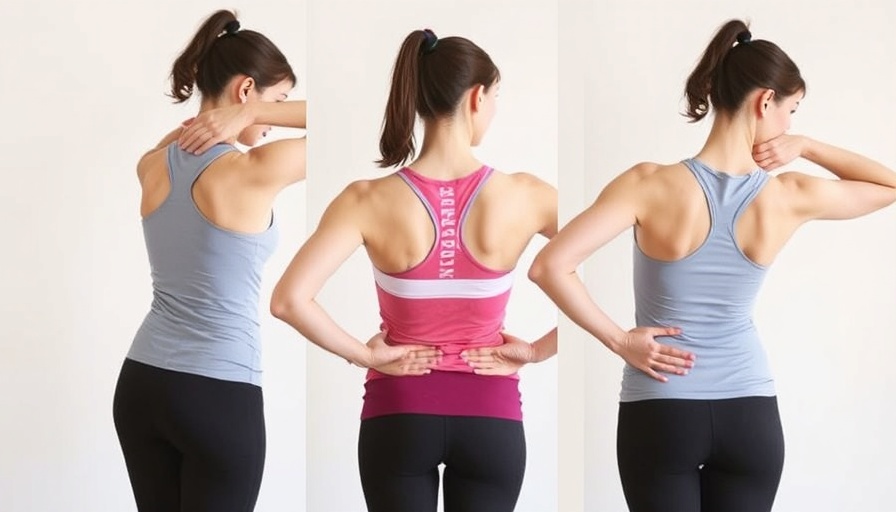
Dead hanging involves suspending your body from a horizontal bar, merely relying on your grip to hold yourself up. Picture a relaxed, carefree state where your muscles can release tension, and your joints find relief. By gently twisting your torso from side to side while hanging, you activate various muscle groups, promoting a deeper stretch through your shoulders and spine.

How to Perform Dead Hanging: A Step-by-Step Guide

Starting with dead hanging is easier than you might think. Follow these steps:

  1. Find a Suitable Bar: Locate a sturdy bar high enough to allow your feet to elevate. If you're just starting, you can keep your feet on the ground for support.
  2. Grip and Hang: Grab the bar with your palms facing away from you. Let your body relax, allowing your shoulders to drop away from your ears.
  3. Incorporate Twists: While hanging, gently twist your torso from side to side. Feel the stretch in your shoulders and back. If it's too strenuous, return to a neutral position and gradually build up your endurance.
  4. Challenge Yourself: As you progress, try hanging with one arm. This variation tests your grip strength and enhances stability in your shoulders.

Why It Matters: The Broader Implications of Shoulder Health

As sedentary living becomes a norm, shoulder injuries and spinal issues are on the rise. Integrating stretches like dead hanging into our daily routines not only promotes flexibility but also combats the adverse effects of a desk-bound lifestyle. Regular stretching can lead to improved posture, increased range of motion, and even better performance in sports and daily activities.

Real-Life Application: How Dead Hanging Can Transform Your Daily Routine

For athletes and fitness enthusiasts, dead hanging is not just a passive exercise; it’s a vital part of a well-rounded training program. Engaging in dead hangs can enhance grip strength and shoulder stability—both crucial for sports such as climbing and weightlifting. Furthermore, regular practice can reduce the chances of injuries by increasing flexibility around the shoulder joints.

Staying Ahead: What the Future Holds for Shoulder and Spinal Health

As our understanding of body mechanics evolves, so does our approach to health and wellness. The embrace of functional fitness, where movements mimic those in everyday life, reflects a shift in perception. Dead hanging fits seamlessly into this paradigm, promoting functional strength, which is increasingly recognized as essential for longevity and vitality.

A Call to Action: Improve Your Health with Simple Stretches

With such a straightforward setup, there’s no excuse not to incorporate dead hanging into your routine. Whether you’re a seasoned athlete or a busy professional, dedicating just a few minutes each day can yield substantial health benefits. Embrace the challenge—your shoulders and spine will thank you!

Movement & Fitness

0 Comments

Write A Comment

*
*
Related Posts All Posts
01.25.2026

Unlock Your Fitness Potential: Choosing Between Elements, Mobility, and Resilience

Update Understanding the Unique Benefits of GMB ProgramsChoosing between Elements, Resilience, and Mobility can be daunting without a clear understanding of what each program offers. All three programs use movement as a key training method and are designed for individuals at varying fitness levels. However, they cater to different health and fitness needs.Elements focuses on developing a solid foundation in strength, flexibility, and motor control. It’s designed for beginners and advanced practitioners alike, making it an ideal starting point for anyone looking to improve their overall fitness. With core movements like Bear, Monkey, Frogger, and Crab, which progress through different levels, participants slowly build up to more complex movements. This steady progression means even after multiple rounds, practitioners can continue to refine their skills and adapt to ever-increasing challenges.Why Resilience is Key for Injury PreventionFor those who engage in high-impact workouts or sports, Resilience is invaluable. This program specifically targets joint strength and injury resistance through techniques that promote safe impact absorption. If you've been sidelined by recurring injuries or have joint pain, incorporating Resilience can serve as a pivotal strategy in preventing future mishaps. It’s not about rehabilitation, rather it’s about fortifying the body against stresses and strains that accompany intense training schedules.Flexibility and Range of Motion with MobilityMobility is essential for anyone looking to increase their functional range of motion, particularly those who experience tightness after sedentary periods. This program enriches your flexibility through targeted stretches, working synergistically with any current practices you may have in place. Imagine feeling lighter and more capable in daily activities and workouts alike. This versatility is what's most appealing about Mobility—it adapts to your lifestyle and can be integrated into your routine seamlessly.Choosing the Right Path for Your Fitness JourneyThe question often arises: which program should you start with? If you’re new to fitness or seeking a well-rounded training routine, the Elements program is the ideal launching pad. Conversely, if you’re seasoned in your training but struggle with joint concerns and reoccurring injuries, adding Resilience to your regimen is wise. For those already engaged in weightlifting or sports who find themselves limited by flexibility issues, focusing on Mobility can facilitate improvements in both performance and ease of movement.Combining GMB Programs for Maximum BenefitsWhile you can combine programs, focusing on one at a time often yields the best results. Many fitness enthusiasts find that sticking to Elements provides comprehensive benefits before layering in Resilience or Mobility. For example, someone may complete a cycle of Elements, then identify areas needing bolstering—whether through joint training in Resilience or enhancing flexibility via Mobility.Final Thoughts on GMB Training ProgramsGMB’s approach to fitness is all about accessibility and autonomy. No matter where you start, there’s a pathway for growth within Elements, Resilience, and Mobility that can transform your fitness experience. Remember, these programs aren't just about physical gains, but about cultivating a deeper connection with your body and movements—inviting you to embrace your full potential.

01.23.2026

Why Being Strong Matters More Than Being Thin for Your Health

Update Transforming Mindsets: From Thin to Strong In a society where the definition of health has often been warped by unattainable beauty standards, many individuals, particularly women, grapple with the relentless pressure to be thin. The journey to self-acceptance in a culture obsessed with body image can feel daunting. Yet, as numerous personal narratives illustrate, shifting focus from size to strength might be the transformative change many need. This was precisely the case for Shannon McDonald, who, after a lifetime of chasing thinness, found a renewed sense of purpose in embracing her strength. The Journey to Self-Discovery Through Strength Training Shannon's experience resonates with many, especially women navigating life stages marked by significant physical and emotional changes. Initially captured by the 'thin is in' mindset, her relentless pursuit of weight loss led to self-imposed dietary restrictions and an unhealthy relationship with exercise. From her own reflection, we can glean that the journey into fitness must be personal and liberated from societal expectations. As she transitioned from soul-crushing cardio routines to weightlifting, something remarkable happened: she began to appreciate her body's capabilities rather than focusing on its appearance. This shift aligns with perspectives shared in various health articles that encourage the adoption of strength-based workouts over calorie-counting. Understanding the Difference: Fit vs. Skinny It's crucial to differentiate between being fit and being skinny. The former isn’t tied solely to appearance but embodies overall health, resilience, and the ability to perform daily tasks without exhaustion. In her article about slim versus fit, a prominent health blog emphasizes that thinness does not always equate to health. Indeed, the real metrics of health include muscle mass, bone density, and metabolic efficiency, which often get overlooked in favor of attaining a certain look. Why Strength Matters More Than Size As women age, maintaining strength and muscle mass becomes paramount for longevity. Health experts highlight that the metabolic advantages of muscle far outweigh the superficial allure of being skinny. While muscle burns calories at rest, a high percentage of body fat does not offer the same metabolic efficiency. Furthermore, strength training can improve bone density, particularly important for women over 40 who face increased risks of osteoporosis. Shannon's journey underscores this sentiment, as embracing weightlifting led her not only to physical changes but empowered her self-image and confidence. Overcoming Emotional Barriers and Building Healthy Habits The transition from focusing on thinness to prioritizing strength is not without emotional hurdles. For many, deeply ingrained beliefs about body image can lead to persistent cycles of guilt and shame relating to food choices and exercise routines. Shannon shares how, after embracing a strength-oriented exercise regimen, her emotional state improved significantly, a narrative echoed in many wellness discussions. By learning to appreciate her body for its strength and abilities, rather than for how it measures up to societal expectations, she found joy in fitness rather than a sense of duty. Adopting a flexible approach to eating that focuses on nourishing the body with protein and healthy fats rather than simply counting calories further complements this newfound outlook. Practical Strategies for Shifting Your Fitness Focus For those looking to shift their perspective from skinniness to fitness, here are some actionable insights: Set strength-based goals: Instead of aiming for a specific weight, focus on lifting heavier or increasing endurance. Incorporate resistance training: Blend different forms of strength workouts into your routine, using weights, resistance bands, or body weight. Eat mindfully: Nourish your body with balanced meals rich in proteins and healthy fats, steering clear from strict dieting. Celebrate small wins: Acknowledge progress in your fitness journey, whether it’s lifting a heavier weight or improving stamina. Ultimately, embracing a strength-oriented mindset not only improves physical health but also enhances mental well-being. Participants in fitness communities often report higher self-esteem and satisfaction with their lives, reinforcing the value of this approach. As Shannon and others have discovered, the most admirable bodies are those defined not by size but by strength, resilience, and the joy they bring in every aspect of life. Call to Action: Embrace Your Journey If you're ready to redefine your fitness journey, we encourage you to focus on becoming the strongest version of yourself. Join local community classes, engage with online fitness groups, or even consult a trainer who can guide you in your strength training exploration. Remember, the endeavor to be strong is not just about lifting weights—it's about lifting your spirit, enhancing your life, and cultivating a body that you respect and cherish.

01.23.2026

The Missing Skill for Lifelong Fitness: Mastering Your Decision Framework

Update Understanding the Gaps in Fitness Knowledge In a world flooded with fitness advice ranging from the elaborate to the absurd, many find themselves trapped in a cycle of trial and error. Whether you're a gym veteran or just stepping onto the mat for the first time, the question arises - how do we navigate this barrage of information? The reality is that amidst the chaos of fitness fads and impassioned online gurus, the thing that often eludes us is a clear decision-making framework. Why a Decision Framework is Essential Many of us plunge into our fitness journeys armed with an overload of information but lacking a systematic approach to make sense of it all. Much like how Philip Maffetone describes the emotional (System 1) and analytical (System 2) modes of decision-making in health and fitness, we often fall prey to quick-fix solutions that promise the world but leave us empty-handed. By employing a decision framework, we can gather relevant data, identify what matters to us personally, and reflect on our unique circumstances. Rather than letting fear or fleeting trends dictate our choices, we learn to prioritize our needs, whether that's strength training for daily tasks or flexibility work for injury prevention. Learning to Adapt: A Key to Lifelong Fitness As our lives constantly evolve, so should our fitness routines. Something that worked at one time may no longer yield results due to changes in our bodies, our schedules, or even our goals. Recognizing this point is crucial for sustained fitness success. Adopting a mindset of ongoing reassessment allows individuals to adjust their programs to fit their current realities rather than clinging to outdated approaches. This concept echoes the Assess → Address → Apply model advocated by GMB, which emphasizes a continuous loop of evaluation and adaptation. It’s not just about following guides or protocols; it’s about tailoring those strategies to our unique contexts again and again. Strategic Choices: Avoiding Common Pitfalls As mentioned in the Psychological article from PMC, the allure of emotional advertising can lead to poor decision-making in fitness. Misconceptions like 'no pain, no gain' can skew our perception of what a healthy workout should feel like. We often forget that discomfort doesn’t always equal progress. In reality, a smart, controlled approach to training that respects our bodies’ signals is far more beneficial long-term. Ultimately, understanding this helps to unify the conflicting messages within the fitness industry. Not everything is about lifting the heaviest weights but building a sustainable exercise routine that caters to our lifestyle and well-being. Key Takeaways for a Balanced Approach to Fitness 1. **Make informed choices**: Before diving into the next trending exercise or diet, ask yourself how it fits your current situation and objectives. 2. **Implement frameworks**: Utilize methods like the Assess → Address → Apply model to streamline your decision-making process. 3. **Reassess frequently**: Regularly evaluate what’s working and what isn’t. Don't fear change; embrace it! 4. **Seek knowledge, not noise**: Rather than getting lost in the clutter, focus on what resonates with your goals and lifestyle. With the right mindset and an adaptable strategy, lifelong fitness doesn’t need to be a maze of confusion but rather a rewarding journey marked by continued growth and wellness. Call to Action: Ready to redefine your approach to fitness? Implement a framework that works for you and watch as you transform your journey into a sustainable and enjoyable practice.

Terms of Service

Privacy Policy

Core Modal Title

Sorry, no results found

You Might Find These Articles Interesting

T
Please Check Your Email
We Will Be Following Up Shortly
*
*
*