

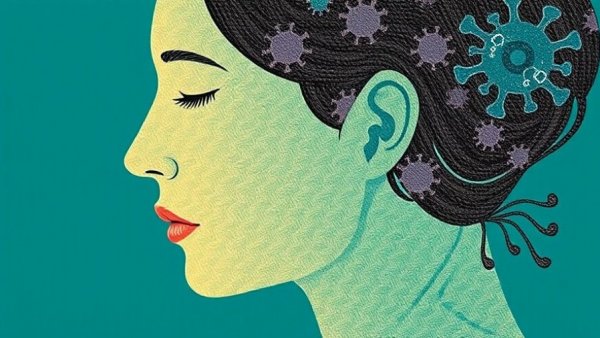
Understanding Autoimmunity: More Than Just a Condition
Autoimmunity affects millions, particularly women, yet many remain unaware of the deeper stories shaping these experiences. Chronic illness isn't merely a medical diagnosis; it intertwines with our identities, histories, and societal expectations. Autoimmune diseases, like lupus, rheumatoid arthritis, and multiple sclerosis, cripple not just the body but also the spirit of many women. Women, often socialized to adopt nurturing roles, can find themselves navigating a minefield of expectations, where expressing vulnerability often clashes with the desire to be perceived as strong and capable.
The Weight of Inherited Expectations
The stories women tell about their illnesses are often influenced by what they inherit from previous generations. Many women feel pressure to uphold family narratives of resilience, despite battling chronic conditions like lupus or fibromyalgia. This persistence can lead to a detrimental cycle where women suppress their symptoms, putting their well-being on the back burner. This suppressive behavior not only affects their health but also the possibilities for open conversations about illness within families. Those conversations can pave the way for healing and better understanding among generations.
Psychologist Dr. Janice G. S. Kaczynski observed that "Women are frequently taught to prioritize others' needs above their own, leading to strain in acknowledging personal struggles." Such expectations can inhibit women's ability to articulate their health needs, which is essential for effective treatment and management. Understanding that self-care is not selfish but a necessity is crucial for holistic health.
Navigating the “Good Girl” Mentality
Society often cultivates a "good girl" mentality that discourages airing grievances, especially related to health. This expectation can create internal conflict, causing women to feel guilty for needing care or accommodations. The dilemma stems from the fear that voicing their struggles may disrupt the idealized image of a strong, capable woman. Recognizing this mindset is the first step toward breaking free. Embracing vulnerability doesn't equate to weakness; rather, it can be a powerful avenue for healing, allowing women to assert their boundaries and prioritize their health.
The Impact of Self-Advocacy
Self-advocacy is a vital tool in battling chronic illness. Women can empower themselves by voicing their health needs and seeking support systems, whether from friends, family, or professional networks. Dr. Mara Probst, a chronic illness advocate, emphasizes that "finding your voice is just as crucial as having a diagnosis"—sharing one's journey not only fosters personal healing but can inspire others facing similar challenges. Online forums and support groups contribute significantly, creating communities where women can share their experiences, ideas, and coping strategies.
Challenging Misconceptions
Misconceptions about autoimmunity abound, many of which perpetuate stigma. Some equate chronic conditions with weakness, misunderstanding the resilience it takes to navigate daily life. Acknowledging these biases helps dismantle the stigma associated with illness and allows for broader acceptance. The reality of autoimmunity is as diverse as the individuals it affects, and each woman's experience is valid. The push for greater visibility is crucial; every story shared helps shape a more nuanced understanding of chronic illness that includes the lessons learned from struggle and the strength it takes to overcome.
Future Predictions and Insights
As we look to the future, awareness and advocacy for women's health issues are paramount. Digital platforms allow for more voices to be heard, facilitating conversations that were once sidelined. Online communities serve as beacons of hope and support for those who feel isolated in their struggles. More healthcare providers are recognizing the need for a gender-sensitive approach in treating autoimmune diseases, which could substantially enhance patient care and outcomes. Efforts such as these can help shift the focus from merely managing symptoms to understanding the comprehensive needs of women with autoimmune conditions.
Building a Supportive Narrative
For women grappling with chronic illnesses, redefining personal narratives becomes essential. Instead of feeling like a burden, embrace your story as a testament to strength. Engage in support groups or connect with those who share similar experiences. Together, we can cultivate an environment where women feel empowered to share, heal, and advocate for themselves. In doing so, we not only validate our struggles but also inspire others in our lives to break down their barriers and seek the support they need.




Write A Comment